The demon emoji 😈 usually means mischief, naughtiness, playful trouble, or a devilish attitude. Its official Unicode name is Smiling Face with Horns, and Unicode lists “demon,” “devil,” and “evil” among its related keywords.
People often use 😈 when they are joking about doing something naughty, teasing someone, celebrating a mischievous idea, or adding a slightly provocative tone to a message. It can also appear in Halloween and fantasy-related conversations.
The meaning depends heavily on context. In a playful text, 😈 may simply mean “I’m being naughty.” In a romantic conversation, it can make a message feel flirtier or more suggestive. It does not automatically mean that someone is being serious, dangerous, or malicious.
😈 Demon Emoji:
😈 usually means mischievous, naughty, devilish, playful, or slightly provocative behavior.
It can suggest:
- Mischief: “I have a plan 😈”
- Playful trouble: “You know I couldn’t resist 😈”
- Teasing: “Maybe I did it on purpose 😈”
- Flirting: “Come over tonight 😈”
- Devilish humor: “Let’s cause some trouble 😈”
The emoji is generally more playful and suggestive than genuinely threatening.
What Does the Demon Emoji 😈 Mean?
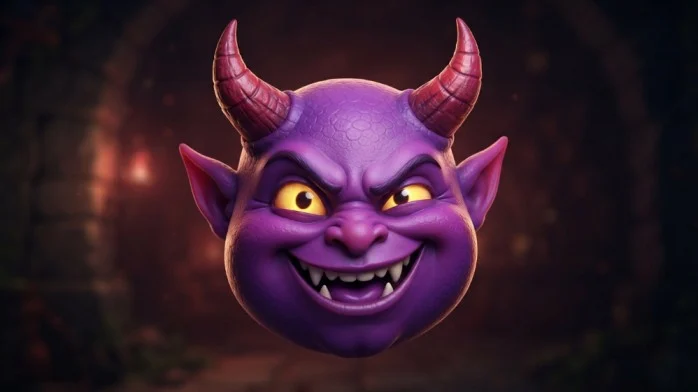
The 😈 emoji officially represents a Smiling Face with Horns. It is typically shown as a purple face with devil-like horns and a mischievous smile. Unicode identifies it with keywords including demon, devil, evil, horns, fantasy, and smile.
In everyday communication, the emoji is often used as a visual way to say:
“I’m being mischievous.”
or:
“I have a naughty idea.”
It can also add a playful edge to an otherwise ordinary statement.
For example:
“I ate the last slice 😈”
The sender probably is not confessing to something serious. The emoji makes the statement sound cheeky or knowingly naughty.
The same symbol can become more suggestive when the surrounding message is romantic or teasing:
“You better be ready when I see you 😈”
Here, the emoji adds a more provocative tone.
What Does 😈 Mean in Texting?
In texts, 😈 often signals that the sender is being playful, mischievous, cheeky, or deliberately provocative.
The exact meaning can change depending on the sentence.
“I have an idea 😈”
This suggests a mischievous plan.
“Guess what I bought 😈”
The emoji creates suspense and a playful sense that the surprise may be unusual or naughty.
“You started it 😈”
This can sound teasing, especially during playful banter.
“I can’t wait to see you 😈”
In a romantic conversation, the emoji may make the message more flirtatious or suggestive.
So, if you receive 😈 in a text, read it together with the words rather than translating it as simply “demon.”
The Main Meanings of 😈
1. Mischief
This is one of the most common uses.
“Let’s sneak out for ice cream 😈”
The emoji suggests that the plan is a little naughty or rebellious, but still playful.
2. Playful Naughtiness
Someone may use 😈 when they knowingly break a small rule or do something cheeky.
“I finished the cookies before anyone else 😈”
The emoji makes the confession playful.
3. Teasing
😈 can signal that someone is deliberately teasing another person.
“Oh, you thought I forgot? 😈”
The tone is more playful than hostile.
4. Flirting
The demon emoji can make a romantic message feel more confident, cheeky, or suggestive.
“Maybe you should come find out 😈”
Here, the emoji contributes to the flirtatious tone.
It is the combination of the words and emoji that creates this interpretation. 😈 alone does not prove that someone is flirting.
5. Devilish or Evil Behavior
Sometimes the emoji is used literally or humorously when talking about devils, demons, villains, or evil characters.
“The villain was definitely the best character 😈”
It can also fit Halloween or supernatural themes.
6. “Wicked” or “Bad” in a Positive Way
In casual slang, “bad” or “wicked” can sometimes mean impressive, exciting, or daring. 😈 can reinforce that playful idea.
“That was a wicked comeback 😈”
The meaning here is closer to “bold” or “cool” than genuinely evil.
Is 😈 a Flirting Emoji?
It can be.
The demon emoji is often a good fit for playful flirting because its mischievous expression can add a teasing or suggestive edge.
For example:
“You looked really good tonight 😈”
This can sound flirtatious.
But:
“You really did that? 😈”
might simply be playful teasing between friends.
The important point is that 😈 does not automatically mean romantic or sexual interest. The relationship, previous conversation, wording, and situation matter.
If someone normally uses playful emojis with everyone, 😈 may not carry any special romantic meaning.
Is 😈 a Sexual Emoji?
The emoji itself is not inherently sexual.
However, its mischievous and suggestive appearance means it can be used in conversations with a sexual or suggestive tone.
For example:
“I have a surprise for you 😈”
could be completely innocent in one conversation and suggestive in another.
The surrounding conversation determines the interpretation.
It is better not to assume a sexual meaning based on 😈 alone.
What Does 😈 Mean From Someone?
When someone sends you 😈, they may be signaling that they are:
- Being mischievous
- Teasing you
- Making a joke
- Planning something unexpected
- Acting playfully naughty
- Flirting
- Adding a devilish tone to their message
Consider this:
“I may have ordered dessert too 😈”
This sounds playful.
But:
“Wait until we’re alone 😈”
has a much more suggestive tone.
The emoji is the same. The context changes the message.
Can 😈 Be Used Sarcastically?
Yes.
The demon emoji can make sarcasm or ironic humor more obvious.
For example:
“I definitely didn’t eat your leftovers 😈”
If the sender obviously did, 😈 adds a cheeky “you know I did” feeling.
Another example:
“I’m such a responsible adult 😈”
The emoji can signal that the statement is intentionally ironic.
Still, sarcasm is highly dependent on context. Someone unfamiliar with your humor may interpret the message differently.
Is 😈 Rude or Mean?
Usually, no.
The emoji is generally playful rather than openly hostile. However, it can sound rude when combined with insulting, threatening, or deliberately provocative language.
For example:
“You’ll regret that 😈”
could feel playful between close friends, but threatening in a serious disagreement.
The same emoji can therefore soften a joke or make an aggressive statement feel even more unsettling.
When the words themselves are hostile, do not assume that 😈 makes the message harmless.
😈 vs. 👿: What’s the Difference?
These two emojis are the most important pair to understand when someone searches for a “demon emoji.”
😈 is Smiling Face with Horns.
👿 is Angry Face with Horns.
😈 has a mischievous smile and usually feels playful, naughty, or suggestive.
👿 has an angry expression and is more associated with anger, frustration, evil, or a menacing mood. Emojipedia notes that 👿 is more menacing than 😈.
So:
“I have a surprise for you 😈”
sounds mischievous.
While:
“I’m really mad at you 👿”
sounds angry.
Related Demon and Devil Emojis
Several emojis can appear in conversations about demons, evil, Halloween, monsters, or mischievous behavior. They have different emotional tones.
| Emoji | Official Name | Common Meaning | Tone | Where or When It Is Used |
|---|---|---|---|---|
| 😈 | Smiling Face with Horns | Mischief, naughtiness, devilish behavior | Playful, teasing, suggestive | Jokes, teasing, flirting, playful plans |
| 👿 | Angry Face with Horns | Anger, evil, devilish behavior | Angry, menacing, intense | Frustration, Halloween, fictional villains |
| 😇 | Smiling Face with Halo | Innocence, angelic behavior, goodness | Sweet, innocent, playful | Jokes about behaving well, blessings, wholesome reactions |
| 👹 | Ogre | Monster, frightening creature, anger | Intense, scary, dramatic | Fantasy, monsters, Halloween, dramatic jokes |
| 👺 | Goblin | Goblin or mischievous creature | Strange, mischievous, eerie | Folklore, fantasy, Halloween, jokes |
| 👻 | Ghost | Ghost, haunting, spooky fun | Playful, spooky | Halloween, jokes, supernatural topics |
| 💀 | Skull | Death, dying laughing, dark humor | Dark, dramatic, humorous | Halloween, jokes, exaggerated reactions |
| ☠️ | Skull and Crossbones | Danger, poison, death | Serious, warning, dramatic | Warnings, pirate themes, danger, dark humor |
| 🦹 | Supervillain | Villain, evil character, fictional wrongdoing | Dramatic, playful | Superhero stories, jokes, role-play |
The most important distinction is between 😈 and 👿. They both have horns and devilish associations, but their facial expressions create different tones.
😈 = mischievous or playful.
👿 = angry or menacing.
😇 provides a useful opposite: an innocent or angelic expression rather than a devilish one.
😈 vs. 😇: Devilish vs. Angelic
These two emojis are often used together because they represent opposite character ideas.
😈 can suggest:
“I was being naughty.”
😇 can suggest:
“I was being good.”
People can also use them jokingly.
“Me? I would never do that 😇”
If the speaker obviously would, the halo emoji makes the sentence playful and ironic.
Meanwhile:
“Oh, I definitely did it 😈”
has the opposite energy.
😈 vs. 👿: Playful vs. Angry
The difference is mostly in the expression.
😈 Smiling Face with Horns has a smile and commonly conveys mischief, naughtiness, excitement, or “devilish” behavior. Emojipedia describes it as more playful and suggestive than 👿.
👿 Angry Face with Horns has a frown and is more closely associated with anger, frustration, evil, and menacing behavior. Its original Unicode name was Imp.
If you want to tease someone, 😈 is usually the better choice.
If you want to show genuine anger with a devilish visual, 👿 is closer.
😈 vs. 💀: What’s the Difference?
These emojis can both appear in dark or edgy humor, but their meanings are quite different.
😈 focuses on mischief and devilish behavior.
💀 officially represents a skull and is often used informally for exaggerated reactions, including dark humor or “I’m dying laughing.”
For example:
“I’m about to cause some trouble 😈”
means mischievous behavior.
“That joke killed me 💀”
usually means the joke was extremely funny.
😈 vs. 👹: What’s the Difference?
😈 is a smiling devil-like face.
👹 is officially Ogre, representing a monster-like creature associated with Japanese folklore and fantasy. Unicode classifies it among face-costume emojis.
So 😈 works better for a playful “devilish” attitude, while 👹 is more suitable for monsters, fantasy, costumes, or exaggerated scary reactions.
Text Examples With 😈
“I have a little surprise for you 😈”
Likely meaning: A playful or mischievous surprise.
The emoji suggests that the sender is enjoying the suspense.
“You really thought I wouldn’t notice? 😈”
Likely meaning: Teasing.
The sender is playfully calling someone out.
“Let’s break the rules a little 😈”
Likely meaning: Mischief or playful rebellion.
The wording makes the devilish emoji fit naturally.
“You look incredible tonight 😈”
Likely meaning: Potentially flirtatious.
The compliment plus the emoji creates a more suggestive tone.
“I ate the last piece of cake 😈”
Likely meaning: Cheeky confession.
The sender is presenting a small act of wrongdoing as a joke.
“Happy Halloween 😈🎃”
Likely meaning: Devilish or Halloween-themed fun.
There is no need for a romantic interpretation.
How Should You Respond to 😈?
Your response depends on what the sender meant.
- If they are being playful
“Oh no, what are you planning? 😈”
- If they are teasing you
“Very funny 😂”
- If they are being supportive but mischievous
“You’re trouble 😂”
- If the message feels flirty
“Is that supposed to be a warning? 😏”
- If you are unsure
Respond to the actual message rather than the emoji alone. If the context is unclear, a simple:
“Haha, what does that mean? 😄”
can clear things up naturally.
You do not have to match the sender’s emoji if you are unsure about their tone.
Can You Copy and Paste the Demon Emoji?
Yes. Here it is:
😈
For comparison, the angry version is:
👿
These are different Unicode characters with different official names.
Official Name and Unicode Details
The official Unicode name for 😈 is Smiling Face with Horns. Its code point is U+1F608. Unicode’s current emoji charts also list demon, devil, evil, horns, fantasy, and smile among its associated keywords.
😈 was approved in Unicode 6.0 in 2010 and was later included in Emoji 1.0 in 2015.
The character’s appearance can vary between platforms. The face may have slightly different colors, horn shapes, eyes, or smiles depending on the device or service. These visual differences do not normally change its basic meaning.
The Unicode name is useful because “demon emoji” is a common descriptive term, not the official Unicode name. Unicode officially calls the character Smiling Face with Horns.
Common Misunderstandings About 😈
“😈 always means evil.”
No. It can represent devils or evil characters, but everyday use is often playful or mischievous.
“😈 always means flirting.”
No. It can be flirtatious, but it is also common in jokes, teasing, Halloween messages, and playful conversations.
“😈 means someone is dangerous.”
Not by itself. The emoji usually adds a devilish or mischievous tone rather than making a literal statement about danger.
“😈 and 👿 mean the same thing.”
They are closely related, but their expressions create different tones. 😈 is smiling and generally more playful, while 👿 is angry and more menacing.
“The demon emoji has one hidden meaning.”
No. Emoji meaning changes with context, and 😈 has several ordinary uses.
“The sender must be flirting if they use 😈.”
Not necessarily. Look at the complete conversation before making that assumption.
Frequently Asked Questions
What does the 😈 emoji mean?
😈 usually represents mischief, naughtiness, devilish behavior, teasing, or playful trouble. It can also have a flirtatious or suggestive tone depending on the message.
What is the official name of the 😈 emoji?
Its official Unicode name is Smiling Face with Horns. The code point is U+1F608.
Is 😈 the demon emoji?
😈 is commonly called the demon emoji or devil emoji, but its official Unicode name is Smiling Face with Horns. Unicode associates it with keywords such as demon and devil.
What does 😈 mean from a girl?
It can mean teasing, mischief, playful naughtiness, affection, or flirting. The sender’s gender does not give the emoji a separate universal meaning.
What does 😈 mean from a guy?
It can have the same range of meanings: playful trouble, teasing, devilish humor, or potentially flirtatious behavior. Context matters more than gender.
Is 😈 a flirting emoji?
It can be used for flirting because it often adds a mischievous or suggestive tone. However, the emoji alone does not prove romantic interest.
What’s the difference between 😈 and 👿?
😈 is Smiling Face with Horns and is generally playful, mischievous, or suggestive. 👿 is Angry Face with Horns and is more associated with anger, frustration, or menacing behavior.
What does 😈 mean in a relationship?
In a romantic relationship, 😈 may express playful teasing, attraction, mischievous affection, or a suggestive mood. Its exact meaning depends on the couple’s normal communication style and the surrounding message.
Can 😈 be sarcastic?
Yes. It can add a cheeky or ironic tone to a statement, especially when the words clearly suggest that the sender is joking.
Conclusion
The demon emoji 😈 is officially called Smiling Face with Horns, but “demon emoji” is a common way people describe it. Its everyday meaning is usually more playful than sinister.
It can express mischief, teasing, naughtiness, devilish humor, or flirtation, depending on the conversation. In romantic messages it may feel suggestive, while in a friendship it may simply mean “I’m being a little troublemaker.”
The easiest way to understand 😈 is to look beyond the horns. The words, relationship, and situation determine whether the emoji feels funny, mischievous, affectionate, or flirtatious.
Read More Related Articles:
- Pleading Emoji Meaning | What Does It Mean? – emojisnest.com
- Heart Hands Emoji Meaning | What Does Mean in Texts?
- Red Heart Emoji ❤️ Meaning | What Does ❤️ Mean in Texts?