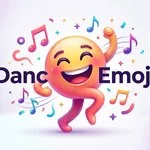
The dancing emoji 💃 usually represents dancing, fun, celebration, confidence, excitement, or a positive reaction. In texting, it can mean “let’s dance,” “I’m having fun,” or simply “yay!” Its official Unicode name is DANCER, while the current emoji list uses “woman dancing” as its short name. The image commonly shows a woman dancing with one arm raised, although designs vary across platforms.
Context gives 💃 its real tone. It can celebrate good news, show excitement about a night out, add playful energy to a caption, or emphasize a confident statement. It can also appear in humorous or flirty messages, but 💃 alone does not prove romantic interest. The surrounding words, relationship, and conversation style matter most when reading the message.
Quick Answer
The dancing emoji 💃 usually means dancing, celebration, fun, excitement, confidence, or a positive reaction.
In some conversations, it can also add a playful, dramatic, or flirty tone, but the surrounding message determines the meaning.
What Does the Dancing Emoji 💃 Mean?
The dancing emoji 💃 represents dancing, celebration, fun, energy, and positive excitement.
It is often used when someone wants to show that they are:
- Happy about something
- Celebrating good news
- Ready to have fun
- Going out or partying
- Feeling confident
- Excited about an event
- Reacting positively to something
- Playfully enjoying a situation
The emoji is especially useful because it can communicate a positive reaction without requiring a long explanation.
For example:
“I finally finished my project 💃”
Here, 💃 can mean something like “I’m celebrating” or “I’m so happy this is done.”
Another example is:
“Friday night plans 💃🎉”
This gives the message an energetic, celebratory feeling.
The dancing emoji does not always mean someone is literally dancing. It is often used as a symbol of excitement or celebration.
Dancing Emoji Meaning in Text Messages
In texting, 💃 can have several closely related meanings.
“I’m celebrating”
“I got the job! 💃”
The emoji emphasizes happiness about the good news.
“Let’s have fun”
“Are we going out tonight? 💃”
Here, it adds excitement and anticipation.
“Yay!”
“The weekend is finally here 💃”
The emoji works almost like a visual celebration.
“I feel confident”
“New outfit, new energy 💃”
In this context, it can communicate confidence and self-expression.
“I’m being playful”
“Look who finally showed up 💃”
The emoji can make the sentence feel more theatrical or humorous.
What Does 💃 Mean From Someone?
If someone sends you 💃, the meaning depends heavily on what they write with it.
It may suggest:
- They are excited
- They are celebrating
- They enjoyed something
- They are in a playful mood
- They want to make the conversation more energetic
- They are joking around
- They are looking forward to something
For example:
“We got tickets! 💃”
This most likely means the person is excited about the tickets.
“You actually said yes 💃”
This can sound playful and enthusiastic.
“See you tonight 💃”
Here, the emoji may simply add excitement to the plans.
There is no single hidden meaning that applies every time. The surrounding words are more useful than the emoji by itself.
Is the Dancing Emoji Flirty?
💃 can appear in a flirty conversation, but it is not inherently a flirting emoji.
Someone might use it while joking, teasing, complimenting you, or making plans for a date. However, the emoji alone does not establish romantic interest.
Compare:
“You look amazing tonight 💃”
The words can make the message feel flirtatious.
Now compare:
“The concert was amazing 💃”
This is simply enthusiastic.
The same emoji can therefore appear in both romantic and non-romantic conversations.
If you are trying to understand someone’s intention, consider the complete message, previous conversation, relationship, and communication style instead of assigning a romantic meaning to 💃 alone.
Does 💃 Mean Confidence?
It can.
The dancing emoji is sometimes used to make a statement feel confident, expressive, or self-assured.
For example:
“I said what I said 💃”
The emoji adds a playful sense of confidence.
Similarly:
“Doing my own thing 💃”
Here, it can reinforce independence and positive energy.
This interpretation is contextual rather than an official definition of the emoji.
Can 💃 Be Sarcastic?
Yes, but the sarcasm usually comes from the words around it.
For example:
“Another meeting at 7 a.m. 💃”
The dancing emoji creates a humorous contrast with the unpleasant situation.
Another example:
“Love waiting three hours for customer service 💃”
The sentence can sound sarcastic because the positive-looking emoji conflicts with the complaint.
So, 💃 does not automatically mean sarcasm. The surrounding message creates that effect.
Does 💃 Mean Partying?
It can suggest partying, celebration, or going out.
Unicode’s emoji data includes terms related to dance, festive activity, groove, salsa, tango, and “let’s,” while Unicode documentation also connects the dancer character with the idea of “let’s party.”
For example:
“Party tonight 💃🎉”
Here, the meaning is clearly connected to celebration.
But the emoji can also be used for much smaller victories:
“Finished my homework 💃”
No party is involved. The emoji simply communicates excitement.
💃 Meaning on Social Media
On social media, the dancing emoji can make a caption or comment feel more energetic.
It can work with:
- Celebrations
- Good news
- Weekend plans
- Music and dancing
- Personal achievements
- Funny reactions
- Confident statements
- Party-related posts
For example:
“Friday has entered the chat 💃”
The emoji adds excitement to the caption.
A person may also use 💃 in a comment such as:
“Okay, I see you! 💃”
Depending on the post, this could be supportive, playful, or complimentary.
Related Dancing and Celebration Emojis
| Emoji | Official Name | Common Meaning | Tone | Where or When It Is Used |
|---|---|---|---|---|
| 💃 | DANCER / Woman Dancing | Dancing, fun, celebration, positive energy | Playful, joyful | Celebrations, reactions, captions, exciting news |
| 🕺 | Man Dancing | Dancing, partying, excitement | Energetic, playful | Dance, celebrations, party messages |
| 🧑🩰 | Ballet Dancer | Ballet or formal dance | Graceful, artistic | Dance, ballet, performances |
| 🪩 | Mirror Ball | Disco, dancing, nightlife | Festive, energetic | Parties, music, dance-related posts |
| 🩰 | Ballet Shoes | Ballet, dance, graceful movement | Elegant, artistic | Ballet, dance, performances |
| 🥳 | Partying Face | Celebration, partying, excitement | Very cheerful | Birthdays, achievements, parties |
| 🎉 | Party Popper | Celebration, congratulations | Festive, enthusiastic | Good news, milestones, parties |
| 🎊 | Confetti Ball | Celebration and festive moments | Cheerful, celebratory | Events, announcements, congratulations |
| 🎶 | Musical Notes | Music, singing, rhythm | Light, upbeat | Songs, dancing, music-related messages |
The closest comparison is 🕺 Man Dancing, because both directly represent dancing. The main difference is the gender presentation of the person represented.
🧑🩰 Ballet Dancer is more specific because it points toward ballet rather than general dancing. 🪩 Mirror Ball suggests disco or nightlife without showing a person dancing.
For celebration without specifically referring to dance, 🥳, 🎉, and 🎊 may be better choices.
💃 vs. 🕺: What’s the Difference?
💃 is Woman Dancing, while 🕺 is Man Dancing in current Unicode emoji terminology. The two are designed as gendered dancing counterparts.
💃 was originally introduced under the Unicode name DANCER in Unicode 6.0 in 2010. When 🕺 was added in Unicode 9.0 in 2016, the original dancer emoji became the woman dancing counterpart.
Both can communicate:
- Dancing
- Partying
- Celebration
- Excitement
- Fun
- Positive energy
The choice between them usually depends on the person or visual representation you want to convey.
💃 vs. 🧑🩰: What’s the Difference?
🧑🩰 is the Ballet Dancer emoji.
It represents a person performing ballet and provides a gender-neutral option related to dance. It was approved as part of Emoji 17.0 in 2025.
💃 is much broader in everyday use. It can mean dancing, celebrating, or simply feeling excited.
For example:
“I got the tickets 💃”
💃 works as a celebration reaction.
But:
“Ballet rehearsal tonight 🧑🩰”
🧑🩰 is more directly connected to ballet.
💃 vs. 🪩: What’s the Difference?
💃 shows a dancing person, while 🪩 represents a mirror ball associated with disco and dance environments.
Use 💃 when you want to express an action, reaction, or energetic mood.
Use 🪩 when you want to emphasize:
- Disco
- Dance parties
- Nightlife
- Music
- A festive atmosphere
They can also work together:
“Ready for the party 💃🪩🎶”
Realistic Text Message Examples
Celebrating good news
Message:
“I passed my exam! 💃”
Likely meaning:
The sender is celebrating and feels happy about the result.
Excited about plans
Message:
“Dinner tonight? 💃”
Likely meaning:
The emoji adds enthusiasm and makes the invitation feel upbeat.
Playful confidence
Message:
“Told you I was right 💃”
Likely meaning:
The sender is being confident and playful rather than necessarily serious.
Weekend excitement
Message:
“No work tomorrow 💃🎉”
Likely meaning:
The sender is celebrating having time off.
Flirty context
Message:
“You better save me a dance 💃”
Likely meaning:
The message can feel playful or flirtatious because of the wording and situation. The emoji alone does not create the romantic meaning.
Sarcastic context
Message:
“Another Monday morning meeting 💃”
Likely meaning:
The contrast between the upbeat emoji and the unwanted meeting can create humor or sarcasm.
Common Misunderstandings About 💃
It does not always mean literal dancing
People often use 💃 to show excitement or celebration without actually dancing.
It does not automatically mean flirting
A romantic interpretation depends on the entire conversation, not simply the presence of 💃.
It does not always mean partying
Someone can use it to celebrate a small personal achievement, such as finishing homework or completing a task.
It does not automatically mean confidence
Confidence is one possible contextual reading, especially with statements such as “I said what I said,” but it is not the emoji’s only meaning.
It is not interchangeable with every dance emoji
🕺, 🧑🩰, 🪩, and 🩰 all relate to dance, but they emphasize different ideas.
How to Respond to the Dancing Emoji
The best response depends on the message.
- If someone is celebrating
“Yesss! 🎉”
- If they are excited about plans
“Absolutely! 💃”
- If they are being playful
“Okay, I see you 😂”
- If they are talking about dancing
“Let’s go! 🕺💃”
- If the message feels flirty
You can keep the response playful without assuming romantic intent:
“Haha, sounds like a good time 😄”
If you are unsure what they mean
Respond to the words rather than trying to decode the emoji:
“Haha, what are you celebrating?”
Copy and Paste the Dancing Emoji
💃
You can copy and paste the dancing emoji into texts, captions, comments, messages, and social posts.
Useful combinations include:
- 💃🎉 = celebration
- 💃🪩 = dancing or disco
- 💃🎶 = music and dancing
- 💃🥳 = party mood
- 💃✨ = excitement or confidence
- 💃❤️ = positive or affectionate celebration
- 🕺💃 = dancing together
- 💃🔥 = energetic or confident mood
The combination changes the overall tone, so choose supporting emojis that match the message.
Official Name and Technical Details
For the emoji commonly recognized as 💃:
- Emoji: 💃
- Official Unicode character name: DANCER
- Current Unicode short name: woman dancing
- Unicode code point: U+1F483
- Unicode version: 6.0
- Emoji version: 1.0
Unicode’s current emoji list identifies U+1F483 as woman dancing, with related keywords including dance, dancer, dancing, elegant, festive, flair, groove, salsa, and tango.
The character was originally approved in Unicode 6.0 in 2010 under the name DANCER and became part of Emoji 1.0 in 2015.
The 🕺 Man Dancing emoji was added later in Unicode 9.0 in 2016.
There are also skin tone variations for the dancing emoji. Unicode supports these as modifier sequences, allowing users to select different skin tones.
Emoji artwork can differ between platforms. The same underlying character may therefore appear with different clothing colors, styling, or visual details depending on the device or service.
Frequently Asked Questions
What does the dancing emoji 💃 mean?
💃 commonly means dancing, fun, celebration, excitement, confidence, or positive energy. It can also be used as a playful reaction to good news.
What is the official name of 💃?
The official Unicode character name is DANCER. Unicode’s current emoji list uses woman dancing as the short name.
Is 💃 a happy emoji?
It can express happiness, excitement, celebration, and positive energy, although it is specifically a dancing person rather than a facial expression.
What does 💃 mean from a girl?
The sender’s gender does not create a fixed meaning. 💃 can indicate celebration, fun, excitement, confidence, or playful energy depending on the message.
What does 💃 mean from a guy?
The emoji itself does not establish a special meaning based on the sender’s gender. The surrounding words and conversation provide the useful context.
Is the dancing emoji flirty?
It can be used in a flirtatious message, but 💃 is not inherently romantic. The words and relationship context matter more.
What is the difference between 💃 and 🕺?
💃 represents Woman Dancing, while 🕺 represents Man Dancing. Both can communicate dancing, partying, celebration, and excitement.
What is the difference between 💃 and 🪩?
💃 represents a dancing person, while 🪩 represents a mirror ball associated with disco, dancing, and nightlife.
What does 💃 mean on Instagram or TikTok?
It can be used in captions, comments, and messages to show excitement, celebration, dancing, confidence, or playful energy. Its exact meaning depends on the content around it.
Can 💃 be sarcastic?
Yes. When paired with a negative or exaggerated statement, its cheerful appearance can create a sarcastic or humorous contrast.
Conclusion
The dancing emoji 💃 usually communicates dancing, celebration, excitement, fun, and positive energy. In texting, it can be a simple way to say “yay,” celebrate good news, show enthusiasm about plans, or add playful confidence to a statement.
Its meaning can change with context. 💃 may be cheerful, humorous, confident, or even flirtatious when the surrounding message supports that interpretation. The emoji itself does not guarantee any particular emotion or romantic intention.
When choosing a related emoji, use 🕺 for man dancing, 🧑🩰 for ballet, 🪩 for disco or dance-party energy, and 🎉 or 🥳 for general celebration. The right choice depends on what you want the message to communicate.
Read More Related Articles:
- Flushed Emoji Meaning | What It Really Says About Your …
- Talking Emoji Meaning | What It Really Says in Chats and …
- Pin Emoji Meaning | How to Use the Right Way in Modern …