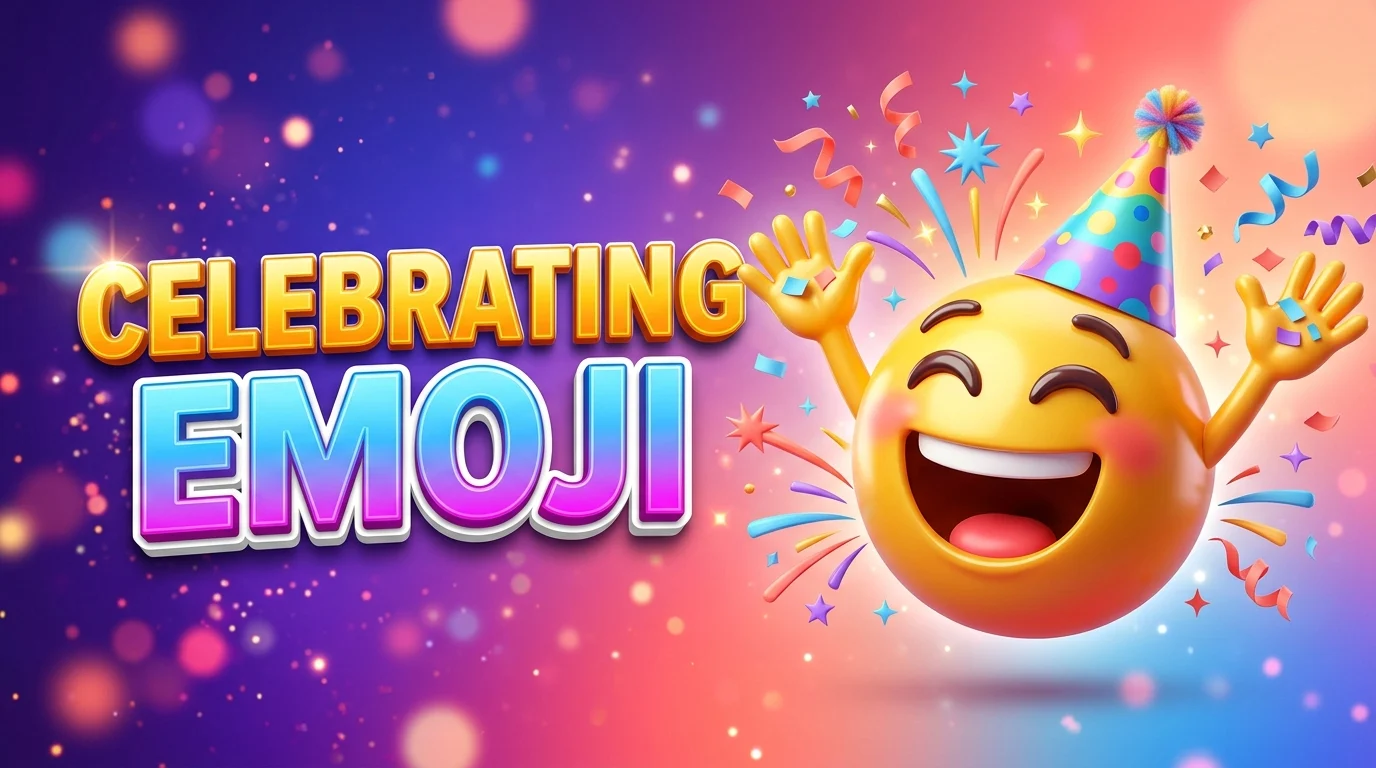
The celebrating emoji 🎉 is a popular way to express happiness, excitement, and appreciation for special moments. People use it when sharing good news, celebrating birthdays, congratulating someone, or marking an achievement. Its colorful party-popper design makes it a natural choice for messages that deserve a little extra joy.
The celebrating emoji can make a text feel more cheerful without requiring a long explanation. Whether someone has passed an exam, started a new job, reached a personal goal, or announced exciting news, 🎉 helps communicate a festive mood. Its meaning is usually positive, but the situation and surrounding words still matter. Understanding how to use it can help you celebrate naturally in texts, comments, captions, and everyday online conversations.
Quick Answer
The celebrating emoji 🎉 expresses happiness, excitement, congratulations, and festive celebration.
People use it for birthdays, achievements, good news, special occasions, and other moments worth celebrating.
What Does the Celebrating Emoji 🎉 Mean?
The 🎉 emoji is officially named Party Popper. It shows a party popper releasing colorful confetti, making it a common symbol of celebration and excitement.
People often use it to show that something good has happened or that a moment deserves recognition. It can express happiness about personal achievements, special occasions, exciting announcements, and milestones.
For example, someone might send 🎉 after hearing that a friend got a new job or passed an important exam. A person may also add it to a birthday message, graduation post, or announcement about reaching a goal.
The emoji does not always refer to a literal party. It can also represent a figurative celebration, such as finishing a difficult project or receiving welcome news.
🎉 Meaning in Text Messages
In text messages, 🎉 usually adds a cheerful and celebratory tone. It helps show excitement when words alone might feel too plain.
Common uses include:
- Congratulations: Celebrating someone’s achievement or success.
- Birthdays: Adding a festive touch to birthday wishes.
- Good news: Reacting positively to exciting information.
- Personal milestones: Recognizing progress, goals, or important life events.
- Invitations and parties: Showing enthusiasm for a gathering or special occasion.
- Everyday wins: Celebrating something small, such as finishing a task or getting through a busy day.
For example, a message like “I finally finished my project 🎉” communicates relief and happiness. The emoji adds a sense of accomplishment to the statement.
When used by itself, 🎉 can mean “Congratulations!”, “Let’s celebrate!” or “That’s exciting!” The exact meaning depends on what the sender is responding to.
What Does 🎉 Mean From Someone?
When someone sends you 🎉, they are usually expressing a positive reaction. They may be congratulating you, sharing your excitement, or showing that they think your news deserves a celebration.
The meaning can vary slightly by situation.
- After good news: They are happy for you or excited about what happened.
- After an achievement: They are congratulating you or recognizing your effort.
- Before an event: They may be looking forward to a party or special occasion.
- In a group chat: They may be joining a shared celebration.
- After a small success: They may be playfully treating an ordinary win as a big achievement.
For example, if you tell a friend that you got accepted into a program and they reply with “🎉🎉,” the repeated emoji likely shows enthusiasm and support.
It does not automatically mean romantic interest or a hidden message. In most conversations, it is simply a friendly expression of celebration.
Is the Celebrating Emoji Positive?
Yes. The 🎉 emoji is generally positive and festive. Its party-popper design is associated with confetti, parties, happy announcements, and joyful occasions.
People commonly use it to express:
- Happiness about good news
- Excitement for an upcoming event
- Congratulations for someone’s success
- Appreciation for a personal milestone
- Enthusiasm in a group celebration
- Relief after completing something difficult
The tone can be casual, friendly, professional, or playful depending on the message.
For example, “Congratulations on the promotion 🎉” sounds warm and encouraging. “Finally done with exams 🎉” expresses relief and excitement.
Although the emoji is usually positive, it can be used sarcastically when the surrounding message makes the opposite meaning clear. That interpretation comes from the context rather than the emoji itself.
Can 🎉 Be Sarcastic?
Yes, but sarcasm is not its usual meaning. The celebrating emoji normally communicates genuine happiness or excitement. However, people can use it ironically to make a joke about an inconvenient, disappointing, or unimpressive situation.
For example:
- “Another meeting that could have been an email 🎉”
- “My alarm went off at 5 a.m. again 🎉”
- “More paperwork to finish before Friday 🎉”
In these examples, the emoji can suggest exaggerated enthusiasm rather than real excitement. The contrast between the cheerful symbol and the frustrating situation creates the joke.
Context is important. If someone sends 🎉 after sharing good news, it is probably sincere. If it appears after a complaint, it may be ironic or sarcastic.
Does 🎉 Mean Congratulations?
Often, yes. The 🎉 emoji is commonly used to congratulate someone, especially when they achieve something important or share exciting news.
It can accompany messages such as:
- “Congratulations on your new job 🎉”
- “You passed your test! 🎉”
- “Well done on finishing the course 🎉”
- “Happy graduation 🎉”
The emoji adds a celebratory feeling to the words. It makes a congratulatory message sound more energetic and festive.
However, 🎉 does not only mean congratulations. It can also suggest that a party is happening, an event is approaching, or the sender is simply excited. When the message is about another person’s success, the congratulatory meaning is especially clear.
Does 🎉 Mean Party or Celebration?
Yes. The Party Popper emoji is directly associated with parties and celebrations, but it can also represent achievements that do not involve a gathering.
Someone might use 🎉 to announce a birthday party, New Year’s celebration, graduation, wedding, or other special occasion. It is also common in online announcements and social media captions.
For example:
- “The party starts at 7 🎉”
- “Celebrating our anniversary today 🎉”
- “We finally launched the new website 🎉”
- “One more week until vacation 🎉”
In the first two examples, the emoji connects naturally to an event or occasion. In the last two, it represents excitement about a milestone or something to look forward to.
The central idea is that something feels worth celebrating, whether the celebration is literal or symbolic.
Related Celebration Emojis and Their Meanings
Several emojis can express happiness, excitement, and special occasions. However, each one has a slightly different use, so choosing the right symbol can make your message clearer.
| Emoji | Official Name | Common Meaning | Tone | Where or When It Is Used |
|---|---|---|---|---|
| 🎉 | Party Popper | Celebration, excitement, congratulations | Festive, joyful | Achievements, parties, good news |
| 🎊 | Confetti Ball | Celebration and festive excitement | Cheerful, lively | Parties, holidays, announcements |
| 🥳 | Partying Face | Having fun or celebrating | Playful, excited | Birthdays, parties, happy occasions |
| 🎈 | Balloon | Parties, birthdays, special events | Lighthearted, festive | Birthday wishes and party invitations |
| 🥂 | Clinking Glasses | Celebrating together, making a toast | Warm, social | Anniversaries, promotions, milestones |
| 🙌 | Raising Hands | Excitement, praise, or success | Energetic, supportive | Good news, achievements, shared wins |
| 👏 | Clapping Hands | Applause, praise, recognition | Appreciative, encouraging | Congratulations and accomplishments |
| ✨ | Sparkles | Specialness, excitement, or emphasis | Bright, positive | Celebrations, announcements, captions |
🎉 vs. 🎊: What’s the Difference?
The 🎉 Party Popper emoji shows a party popper releasing confetti. It is commonly used to celebrate good news, achievements, birthdays, and exciting events.
The 🎊 Confetti Ball emoji features a decorative ball associated with confetti and festive occasions. It is also used for celebrations, especially when the message focuses on a party or a joyful event.
The two emojis overlap in meaning, and either may work in many situations. Use 🎉 when you want to emphasize excitement or congratulations, and 🎊 when you want to add a general party atmosphere.
🎉 vs. 🥳: What’s the Difference?
The 🎉 emoji represents the celebration itself, while 🥳 Partying Face shows a face wearing a party hat and celebrating.
For example, “You got the job 🎉” focuses on the good news. “I got the job 🥳” adds a more personal expression of excitement.
Both are positive, but 🥳 can feel more expressive because it includes a facial expression.
🎉 vs. 👏: What’s the Difference?
The 🎉 emoji communicates celebration and festive excitement. The 👏 Clapping Hands emoji focuses more directly on applause, praise, or recognition.
Use 🎉 when announcing a birthday, success, or exciting milestone. Use 👏 when you want to praise someone’s effort or show appreciation for what they have done.
You can also combine them: “You did an amazing job 👏🎉” expresses both praise and celebration.
Is the Celebrating Emoji 🎉 Flirty?
The 🎉 emoji is not usually considered flirty on its own. Its main purpose is to communicate celebration, happiness, or excitement rather than romantic interest.
Someone might use it in a friendly message, a group conversation, or a conversation with a romantic partner. The emoji alone does not reveal the sender’s romantic intentions.
For example:
- “Happy birthday 🎉” is generally a friendly celebration.
- “We finally get to see each other this weekend 🎉” expresses excitement about meeting.
- “Our first anniversary 🎉❤️” combines celebration with a heart that adds affection.
If someone sends 🎉 after you share good news, the most natural interpretation is that they are celebrating with you. Look at the words and the broader conversation before interpreting it as flirting.
Is the Celebrating Emoji 🎉 Rude?
No, 🎉 is generally friendly and positive. It is commonly used to show excitement, congratulate someone, or make a message feel festive.
However, it may seem insensitive if it is used in a serious conversation or to celebrate something that has hurt another person. It can also sound sarcastic when paired with complaints or negative news.
For example, sending 🎉 to a friend who has shared an important achievement is usually appropriate. Sending it in response to someone’s genuine disappointment could seem dismissive unless both people clearly understand the joke.
The meaning depends on the situation, the relationship, and the tone of the surrounding message.
Celebrating Emoji in Social Media Comments
The 🎉 emoji works well in social media comments because it communicates excitement quickly. It is often used when reacting to announcements, personal achievements, milestones, and special occasions.
Common examples include:
- Career updates: Congratulating someone on a new job or promotion.
- Graduation posts: Celebrating the completion of a course or degree.
- Birthday posts: Adding a festive touch to birthday wishes.
- Business announcements: Marking a launch, opening, or milestone.
- Personal achievements: Recognizing a completed goal or accomplishment.
- Community celebrations: Joining in when a group shares exciting news.
For example, a comment like “Congratulations on this amazing milestone 🎉” is clear and encouraging. A short comment such as “Let’s gooo 🎉” communicates excitement in a more casual style.
The emoji can also appear in captions, event invitations, announcements, and group messages. One emoji is often enough, while several may create a more energetic and playful tone.
Text Message Examples
Here are realistic examples of how the celebrating emoji can appear in everyday conversations.
1. Celebrating an achievement
- Person A: “I passed my final exam!”
- Person B: “That’s amazing, congratulations 🎉”
Meaning: The sender is expressing happiness and congratulating the other person.
2. Sharing career news
- Person A: “I got the promotion I’ve been working toward.”
- Person B: “You deserve it! 🎉👏”
Meaning: The emojis communicate celebration and recognition.
3. Birthday wishes
- Person A: “It’s my birthday today!”
- Person B: “Happy birthday! Hope you have the best day 🎉🎈”
Meaning: The sender is adding a festive feeling to the birthday message.
4. Finishing a difficult task
- Person A: “I finally finished my assignment.”
- Person B: “Finally! Time to relax 🎉”
Meaning: The emoji represents relief and the satisfaction of completing something.
5. Looking forward to an event
- Person A: “Our trip is officially booked.”
- Person B: “This is going to be so much fun 🎉”
Meaning: The sender is excited about an upcoming experience.
Common Misunderstandings About 🎉
1. Thinking It Only Means a Party
The 🎉 emoji can represent a physical party, but it is also used for achievements, good news, congratulations, and personal milestones.
2. Assuming It Always Means Congratulations
Although it is often used to congratulate someone, it can also express excitement about an upcoming event or simply add a festive tone to a message.
3. Interpreting It as Romantic Interest
The emoji does not automatically indicate flirting or affection. It is commonly used among friends, coworkers, relatives, and online communities.
4. Confusing 🎉 With 🎊
Both are celebration emojis, and their meanings overlap. The Party Popper emphasizes a popper releasing confetti, while the Confetti Ball represents another familiar festive decoration.
5. Assuming It Is Always Sincere
The emoji is usually positive, but it can be used sarcastically when the surrounding message suggests frustration or disappointment.
6. Believing Everyone Uses It the Same Way
People have different texting habits. Some use 🎉 for major achievements, while others add it to small everyday wins. The context provides the best clue to the intended meaning.
How to Respond to 🎉
Your response depends on why the other person sent the emoji. In many situations, a friendly reply or a matching celebration emoji is enough.
- If they congratulate you: “Thank you so much! 🎉”
- If they celebrate your achievement: “I really appreciate it!”
- If they share their good news: “That’s fantastic! Congratulations 🎉”
- If they are excited about an event: “Same here! Can’t wait 🎉”
- If they send birthday wishes: “Thank you for the birthday wishes!”
- If they are joking sarcastically: Respond with humor if you understand the joke and feel comfortable doing so.
You do not need to reply with another emoji every time. A few sincere words can communicate appreciation just as well.
Copy and Paste the Celebrating Emoji
You can copy the Party Popper emoji below and use it in messages, captions, comments, or invitations.
🎉
Party Popper EmojiCopy Celebrating Emoji
You can also use these related celebration emojis:
🎊
Confetti Ball
For festive occasions and celebrations
Copy
🥳
Partying Face
For personal excitement and having fun
Copy
🎈
Balloon
For birthdays and party decorations
Copy
👏
Clapping Hands
For praise, applause, and congratulations
Copy
Popular Celebrating Emoji Combinations
Combining 🎉 with another emoji can make the message more specific. Here are some common combinations and what they can communicate.
| Emoji Combination | Common Meaning |
|---|---|
| 🎉🥳 | A joyful celebration or party |
| 🎉🎂 | Birthday celebration |
| 🎉👏 | Congratulations and praise |
| 🎉❤️ | Celebration with love or appreciation |
| 🎉🎈 | A festive party or special occasion |
| 🎉✨ | An exciting or special milestone |
| 🎉🙌 | Happiness about success or good news |
| 🎉🥂 | Celebrating an achievement or special event |
These combinations are informal and can be used in different ways. Choose the one that fits your message rather than adding several emojis simply to make it look more exciting.
Official Name and Technical Details
The official Unicode name for 🎉 is Party Popper. Although many people call it the celebrating emoji, party emoji, or celebration emoji, “Party Popper” is its standardized character name.
Here are the key details:
- Emoji: 🎉
- Official Unicode name: Party Popper
- Common meaning: Celebration, excitement, congratulations, and festive occasions
- Typical tone: Positive, cheerful, and enthusiastic
- Common uses: Birthdays, achievements, parties, announcements, and good news
The emoji is part of the Unicode Standard, which allows digital characters to be represented across different platforms. Its exact appearance may vary between devices and applications, but its general celebratory meaning remains widely recognizable.
The official name describes the object shown by the emoji. Its additional meanings, such as celebrating a promotion or expressing excitement about good news, come from how people use it in everyday communication.
Frequently Asked Questions
1. What does the celebrating emoji 🎉 mean?
The 🎉 emoji represents celebration, happiness, excitement, and congratulations. People use it to mark special occasions, share good news, and celebrate achievements.
2. What is the official name of 🎉?
Its official Unicode name is Party Popper. “Celebrating emoji” is a common descriptive name people use when referring to it.
3. What does 🎉 mean from a girl or a guy?
It usually means the person is happy, excited, or congratulating you. The emoji alone does not reveal romantic interest, and its meaning depends on the conversation.
4. Does 🎉 mean congratulations?
Yes, it is commonly used to congratulate someone on achievements, promotions, graduations, and other good news. It can also express excitement about parties and upcoming events.
5. What is the difference between 🎉 and 🎊?
The 🎉 Party Popper represents a party popper releasing confetti, while 🎊 Confetti Ball represents another festive decoration. Both communicate celebration, and they can often be used interchangeably.
6. Is 🎉 flirty?
Not usually. It is primarily a celebration emoji. A romantic meaning may come from the surrounding message or relationship, but the symbol itself does not automatically suggest flirting.
7. Can 🎉 be used sarcastically?
Yes. Someone might use it after an annoying event or disappointing situation to express exaggerated or ironic enthusiasm. However, its usual meaning is positive.
8. Can I use 🎉 in professional messages?
Yes. It can work well in friendly workplace messages congratulating a colleague, celebrating a team milestone, or announcing a successful project. For formal communication, keep the surrounding wording appropriate to the audience.
9. What emojis go well with 🎉?
Popular choices include 🥳, 🎊, 🎈, 👏, ❤️, ✨, and 🥂. The best combination depends on whether you are celebrating a birthday, achievement, party, or personal milestone.
Conclusion
The celebrating emoji 🎉 is a cheerful way to share happiness, excitement, congratulations, and special moments. Whether you are celebrating a birthday, announcing good news, recognizing an achievement, or reacting to a friend’s success, it adds a festive touch to your message.
Although it is commonly associated with parties, the emoji can also represent everyday accomplishments and exciting milestones. Its meaning is usually positive, but context can sometimes make it sarcastic or ironic. Use 🎉 when you want to make a message feel more celebratory, and pair it with related emojis when you want to express a more specific feeling.
Read More Related Articles:
- Rocket Emoji Meaning and Symbolism for Messages, Goals …
- Disappointed Emoji Meaning in Text | Chat & Relationships …
- OK Emoji Meaning Explained | Hidden Feelings, Uses …