The Thank You Emoji can turn a simple message into something warmer, friendlier, and more expressive. But emoji meaning often depends on context, tone, and the relationship between people. The same emoji can feel sincere in one conversation and playful in another. That is why understanding how emojis are commonly used matters before choosing one.
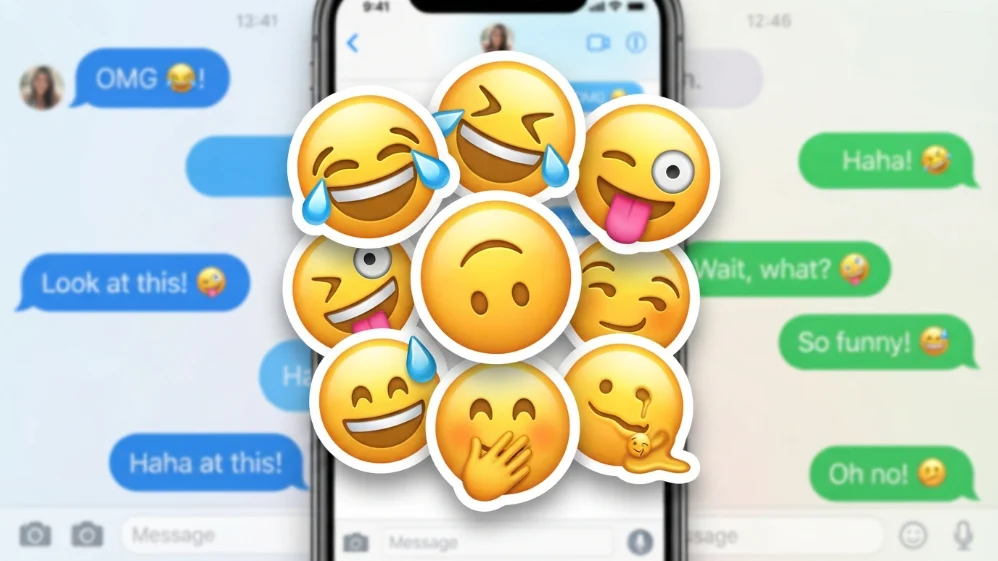
Today, people also use a funny emoji, funny emojis, or a humorous emoji to make gratitude feel casual and entertaining. If you are exploring funny emoji meaning, wondering what is the funniest emoji, or looking for the funniest emojis to brighten a message, context is key. Platforms such as Emoji Kitchen can even combine emoji designs into creative expressions. Meanwhile, funny emoji stickers can add personality, although inappropriate emoji stickers may send the wrong message. In this guide, you will learn how the Thank You Emoji works across everyday conversations, relationships, and playful chats.
Funny Emoji Stickers:
Funny emoji stickers are expressive emojis used to show laughter, jokes, teasing, sarcasm, silliness, or playful reactions.
😂 and 🤣 are strong choices for laughter, 😜 and 😉 work well for playful teasing, while 🤪 and 🙃 can add a more exaggerated or ironic tone.
What Are Funny Emoji Stickers?
Funny emoji stickers are expressive visual reactions used in messages, comments, captions, and other digital conversations to make a joke or reaction feel more entertaining.
The term “sticker” can be used casually for expressive graphics and emoji based reactions, although standard Unicode emoji and platform specific stickers are not exactly the same thing. Unicode maintains standardized emoji characters and sequences, while individual platforms and apps can provide their own visual artwork and sticker collections. Unicode’s current emoji charts identify emoji characters, their names, code points, and related keywords.
In everyday conversation, people may use the phrase funny emoji stickers for things such as:
- Laughing emojis
- Goofy facial emojis
- Sarcastic reactions
- Playful faces
- Dramatic reactions
- Funny combinations of emojis
- Expressive sticker style graphics
- Meme related emoji reactions
The purpose is usually simple: add emotion or humor to a message.
For example:
“You really thought that would work 😂”
The 😂 makes the message feel more humorous and helps show that the statement is meant as a laugh or playful reaction.
What Do Funny Emoji Stickers Mean?
There is no single meaning for every funny emoji.
Instead, different emojis communicate different types of humor.
😂 Face with Tears of Joy
😂 is one of the clearest choices when you genuinely find something funny.
Example:
“I just read your message again 😂”
The likely meaning is:
“That is really funny.”
It can also be used as a reaction to an embarrassing or ridiculous situation.
🤣 Rolling on the Floor Laughing
🤣 represents a stronger form of laughter.
Example:
“That video was absolutely hilarious 🤣”
It can make the reaction feel more exaggerated than 😂.
The Unicode emoji list identifies 😂 as Face with Tears of Joy and 🤣 as Rolling on the Floor Laughing.
😜 Winking Face with Tongue
😜 often creates a playful, teasing, or silly tone.
Example:
“I totally didn’t eat the last slice 😜”
The words are playful, and the emoji makes the joke more obvious.
Depending on the conversation, 😜 can also feel mildly flirtatious, but it does not automatically mean flirting.
🤪 Zany Face
🤪 is useful when the humor is more chaotic, goofy, or exaggerated.
Example:
“I stayed up until 3 a.m. organizing my closet 🤪”
The emoji makes the situation feel intentionally silly.
🙃 Upside-Down Face
🙃 is often useful for irony, awkwardness, or humor about an unpleasant situation.
Example:
“My computer crashed right before I saved the project 🙃”
The emoji can communicate something like:
“Well, this is great.”
The actual meaning comes from the contrast between the words and the situation.
😏 Smirking Face
😏 can have a cheeky, confident, teasing, or suggestive tone.
Example:
“I knew you’d agree with me 😏”
It can be funny, but it can also sound flirty or smug depending on the message.
This is one of the emojis that should be used carefully because the same face can be interpreted differently by different people.
Why Use Funny Emoji Stickers in Texts?
Text messages do not show facial expressions, voice tone, or body language. A short sentence can therefore sound more serious than intended.
Adding a funny emoji can help show the intended mood.
Compare:
“You actually did that.”
with:
“You actually did that 😂”
The first could sound surprised, annoyed, or serious.
The second is much more likely to be read as humorous.
Funny emoji stickers can therefore help with:
- Showing laughter
- Making teasing feel lighter
- Reacting to jokes
- Adding personality
- Making awkward moments playful
- Showing exaggerated reactions
- Signaling that a comment is not completely serious
- Making captions and comments more expressive
They should still support the message rather than replace all the words.
Funny Emoji Stickers for Laughing
If the main goal is to show that something is funny, these are some of the most useful choices.
😂 For ordinary strong laughter
Use 😂 when something genuinely makes you laugh.
“That was the funniest thing I’ve heard all day 😂”
🤣 For exaggerated laughter
Use 🤣 when you want the reaction to feel especially strong.
“I cannot stop watching this 🤣”
😆 For a big cheerful laugh
😆 can give a bright, energetic laughing reaction.
“You actually said that out loud 😆”
😹 For a cat themed laughing reaction
😹 can add a cute or playful cat element to laughter.
“That meme got me 😹”
The best choice depends on the type of humor you want to communicate.
Funny Emoji Stickers for Teasing
Some funny reactions work better for teasing than straightforward laughter.
Good choices include:
😜 for playful teasing
😉 for a wink or knowing joke
😏 for cheeky confidence
🤪 for goofy behavior
🙃 for ironic humor
For example:
“Sure, you’re always right 😉”
The wink can make the statement feel playful rather than completely serious.
Another example:
“You forgot your own password again 😜”
Here, 😜 makes the teasing feel lighter.
Funny Emoji Stickers for Sarcasm
Sarcasm is one of the areas where emoji context matters most.
Consider:
“Awesome. Another meeting at 7 a.m. 🙃”
The word “Awesome” sounds positive by itself, but the situation is clearly negative. 🙃 helps communicate the ironic tone.
Another example:
“Perfect timing 😅”
The 😅 can suggest that the situation is awkward or stressful rather than genuinely perfect.
Funny emojis can support sarcasm, but they cannot guarantee that another person will understand the joke.
If the message could easily be taken seriously, adding a few words may be clearer than relying on the emoji alone.
Funny Emoji Stickers for Awkward Moments
Some funny situations are not exactly laugh out loud moments. They are uncomfortable, embarrassing, or unexpectedly strange.
These emojis can work well:
😅 for awkwardness or nervous laughter
🙃 for irony or an uncomfortable situation
🫠 for feeling overwhelmed or embarrassed
🤦 for frustration or disbelief
😬 for an awkward reaction
Examples:
“I waved back at someone who wasn’t waving at me 😅”
“I sent the message to the wrong group chat 🙃”
“I can’t believe I just said that 🫠”
The humor comes from the situation, while the emoji helps communicate the emotional reaction.
Funny Emoji Stickers for Playful Messages
Funny emoji stickers are especially useful when you want a message to feel less formal.
For example:
“I’m definitely going to finish this project tonight 🤪”
The emoji suggests that the statement may be exaggerated or joking.
Another example:
“I only bought one thing at the store 😂”
If the person actually came home with several bags, the emoji supports the joke.
This type of use is common in casual conversations because it adds personality without requiring a long explanation.
Funny Emoji Stickers for Social Media Comments
Funny emojis can also work as short reactions to posts, videos, photos, and memes.
For example:
“I wasn’t ready for that 😂”
“This is too accurate 🤣”
“Not you doing this again 😭”
“The confidence 😭😂”
“I can’t with this 🤪”
The meaning depends heavily on the post.
A laughing emoji under a genuinely funny video is straightforward. The same emoji under someone’s serious announcement could seem dismissive.
That is why context matters even more in public comments.
Funny Emoji Stickers for Group Chats
Group chats often have a fast and informal tone, making expressive reactions useful.
You might respond to a friend’s joke with:
“STOP 😂”
Or react to an unexpected story with:
“No way 🤣”
For playful disagreement:
“Absolutely not 😭😂”
For a ridiculous plan:
“This is going to end well 🙃”
The emoji helps keep the conversation moving without requiring a full response every time.
Funny Emoji Stickers and Their Emotional Tones
Not every funny emoji feels equally funny.
Some are cheerful, some are sarcastic, and some are deliberately exaggerated.
| Emoji | Official Name | Common Meaning | Tone | Where or When It Is Used |
|---|---|---|---|---|
| 😂 | Face with Tears of Joy | Strong laughter or finding something very funny | Cheerful, humorous | Jokes, memes, funny texts, comments |
| 🤣 | Rolling on the Floor Laughing | Very strong or exaggerated laughter | Hilarious, dramatic | Extremely funny reactions, jokes, videos |
| 😆 | Grinning Squinting Face | Big cheerful laugh or excitement | Energetic, playful | Funny moments, teasing, cheerful reactions |
| 😜 | Winking Face with Tongue | Playful teasing or joking | Silly, cheeky | Friendly jokes, teasing, playful messages |
| 🤪 | Zany Face | Goofy, wild, or exaggerated behavior | Chaotic, silly | Absurd jokes, goofy situations, playful posts |
| 🙃 | Upside-Down Face | Irony, awkwardness, or fake positivity | Sarcastic, ironic | Awkward situations, frustrating jokes, irony |
| 😏 | Smirking Face | Cheeky confidence, teasing, or suggestiveness | Cheeky, playful | Teasing, jokes, confident reactions |
| 😅 | Grinning Face with Sweat | Nervous laughter, relief, or awkward humor | Awkward, relieved | Embarrassing situations, close calls, uncomfortable jokes |
| 🫠 | Melting Face | Feeling overwhelmed, embarrassed, or mentally worn out | Dramatic, humorous | Awkward moments, stress, exaggerated reactions |
| 🤭 | Face with Hand Over Mouth | Suppressed laughter, surprise, or playful reaction | Coy, amused, playful | Secrets, funny comments, unexpected moments |
Unicode’s emoji charts provide the standardized emoji names and characters, while the informal meanings above describe common conversational interpretations rather than fixed definitions.
The Most Important Differences
The biggest distinction is between direct laughter and indirect humor.
😂 and 🤣 clearly communicate laughter.
😜 and 🤪 add silliness or teasing.
🙃 often creates humor through irony.
😅 is useful when something is funny but also awkward or uncomfortable.
😏 can be funny, but it can also sound flirtatious or smug.
🫠 is often more dramatic and works well when someone is joking about being overwhelmed or embarrassed.
If your goal is simply to say “That is funny,” 😂 is usually clearer than a more ambiguous choice such as 😏 or 🙃.
😂 vs. 🤣: Which Funny Emoji Should You Use?
Both emojis express laughter, but the emotional intensity can feel different.
😂 is a straightforward laughing reaction.
“That joke was so good 😂”
🤣 tends to make the laughter feel more exaggerated.
“I am crying at this video 🤣”
Neither one is automatically better. Use 😂 for a strong everyday laugh and 🤣 when you want a more dramatic reaction.
😜 vs. 🤪: What’s the Difference?
These two are both playful, but they create different moods.
😜 has a wink and tongue sticking out, so it often feels like teasing or a cheeky joke.
🤪 has a more exaggerated goofy expression, so it can feel much sillier or more chaotic.
For example:
“I totally didn’t eat your fries 😜”
This sounds like playful teasing.
“I just danced through the grocery store 🤪”
This feels more goofy and exaggerated.
🙃 vs. 😂: What’s the Difference?
These emojis can both appear in funny messages, but their humor works differently.
😂 usually means:
“This is funny.”
🙃 can mean:
“This situation is ridiculous.”
For example:
“My dog stole my sandwich 😂”
This focuses on the funny event.
“My dog stole my sandwich right after I made it 🙃”
This can suggest frustration mixed with humor.
😅 vs. 😂: What’s the Difference?
😂 is more directly associated with laughter.
😅 often adds another feeling, such as nervousness, embarrassment, relief, or awkwardness.
Compare:
“That movie was hilarious 😂”
with:
“I accidentally called my teacher Mom 😅”
The second situation may not be genuinely funny to the person in the moment. The emoji communicates an awkward reaction.
Funny Emoji Sticker Combinations
Combining emojis can create a stronger reaction, but combinations should still make sense.
😂🤣
A strong laughing reaction.
“That comment 😂🤣”
😭😂
Often used for exaggerated laughter or emotional overwhelm.
“I cannot believe you actually did that 😭😂”
😜😂
Playful teasing mixed with laughter.
“You really thought I wouldn’t notice 😜😂”
🤪😂
Goofy and exaggerated humor.
“This is what happens when we make decisions together 🤪😂”
🙃😂
Ironic humor mixed with laughter.
“Everything went exactly as planned 🙃😂”
These combinations are informal. Their meaning comes from the overall conversation rather than from a fixed formula.
Can Funny Emoji Stickers Be Flirty?
Yes, some can add a playful or flirty tone, but the emoji alone does not prove romantic interest.
For example:
“You looked pretty good tonight 😏”
This can sound flirtatious.
Compare:
“You looked pretty good in that costume 😂”
The 😂 shifts the message toward humor.
A wink such as 😉 can also be playful or mildly flirty depending on context.
If you are unsure about someone’s intentions, do not rely on the emoji alone. Consider the actual words and the broader conversation.
Can Funny Emoji Stickers Be Rude?
Yes.
An emoji that is funny between friends can sound mocking in another situation.
For example:
“You finally figured it out 😂”
Between close friends, this may be harmless teasing.
But if someone is genuinely struggling and the sender is laughing at them, the same emoji could feel dismissive or rude.
The relationship and situation matter.
Before using a funny reaction, consider whether the other person is likely to laugh with you or feel that you are laughing at them.
When Should You Avoid Funny Emoji Stickers?
Funny emojis are not suitable for every message.
You may want to avoid them when:
- Someone is sharing serious personal news
- You are discussing an important problem
- The other person is upset
- The message could be misunderstood as mocking
- You are communicating in a very formal setting
- You need to make your meaning completely clear
This does not mean emojis are always inappropriate in serious conversations. A gentle emoji can sometimes show support. The key is choosing an emoji that matches the emotional situation.
How to Choose the Right Funny Emoji
Think about what you are actually trying to communicate.
If you mean “That is hilarious,” try:
😂 or 🤣
If you mean “I’m joking with you,” try:
😜 or 😉
If you mean “This is ridiculous,” try:
🙃
If you mean “I’m being goofy,” try:
🤪
If you mean “That was awkward, but I’m laughing,” try:
😅
If you mean “I have a cheeky or knowing reaction,” try:
😏
Choosing the emoji based on the emotional tone makes the message easier to understand.
How to Respond to Funny Emoji Stickers
Your response can be as simple as another reaction.
If someone sends:
“I can’t believe you did that 😂”
You could say:
“You would have done the same 🤣”
If they send a sarcastic reaction:
“Perfect. Just perfect 🙃”
You could reply:
“Exactly what I wanted 😂”
If you do not understand the joke, a simple:
“Wait, what? 😂”
can keep the conversation casual while asking for clarification.
You do not need to match every emoji exactly. Respond to the actual meaning of the message.
Funny Emoji Stickers You Can Copy and Paste
Here are some easy funny emoji choices:
😂 🤣 😆 😜 🤪 🙃 😏 😅 🤭 🫠 😭 😉 🤦 😬 😹
Funny combinations:
😂🤣
😭😂
😜😂
🤪😂
🙃😂
😅😂
🤣😭
😉😂
You can copy these directly into texts, comments, captions, and casual messages.
Do Funny Emojis Look Different on Different Devices?
Yes. Emoji characters are standardized by Unicode, but companies and platforms create their own artwork for those characters. As a result, the same emoji can look slightly different on different devices or services.
The Unicode charts include samples from major sources and distinguish the standardized character from vendor artwork.
These differences can include:
- Facial expression details
- Eye shape
- Mouth shape
- Color
- Shading
- Hand or body positioning
The general meaning usually remains recognizable even when the artwork changes.
Frequently Asked Questions
What is the funniest emoji?
There is no universal funniest emoji. 😂 and 🤣 are among the clearest choices for laughter, while 🤪, 😜, and 🙃 can create different kinds of humor.
What emoji means “I’m laughing”?
😂 and 🤣 are the clearest choices. 😂 is Face with Tears of Joy, while 🤣 is Rolling on the Floor Laughing.
What emoji is best for sarcasm?
🙃 is often useful for ironic or sarcastic situations, especially when the words sound positive but the situation is not.
What emoji means playful teasing?
😜 is a strong choice for playful teasing. 😉 can also work when the message has a knowing or joking tone.
What emoji is good for an awkward situation?
😅, 🙃, 🫠, and 😬 can all work, depending on the type of awkwardness you want to express.
Are emoji stickers and emojis the same thing?
Not exactly. Unicode emoji are standardized characters and sequences. Stickers can be larger graphics or platform specific visual elements. People often use the terms casually, but technically they are different types of digital graphics.
Can a funny emoji be misunderstood?
Yes. Humor depends heavily on context. 😂 may clearly signal laughter in one conversation, while the same reaction could feel insensitive if someone is discussing a serious problem.
Can funny emoji stickers be used in professional messages?
They can be appropriate in some casual workplaces, but the safest choice depends on the relationship and communication style. In formal or sensitive messages, clear words are usually more important than a humorous emoji.
Conclusion
Funny emoji stickers make conversations more expressive by adding laughter, teasing, irony, silliness, or exaggerated reactions. 😂 and 🤣 are useful for clear laughter, 😜 and 😉 can make teasing feel playful, 🤪 adds goofy energy, and 🙃 works well for ironic situations.
The best funny emoji is not necessarily the most exaggerated one. Choose the emoji that matches the feeling you want your message to convey, and remember that context can change how the reaction is understood.
Read More Related Articles:
- Thank You Emoji Meaning | Best Emojis to Say Thanks
- Heart Hands Emoji Meaning | What Does Mean in Texts?
- Red Heart Emoji ❤️ Meaning | What Does ❤️ Mean in Texts?