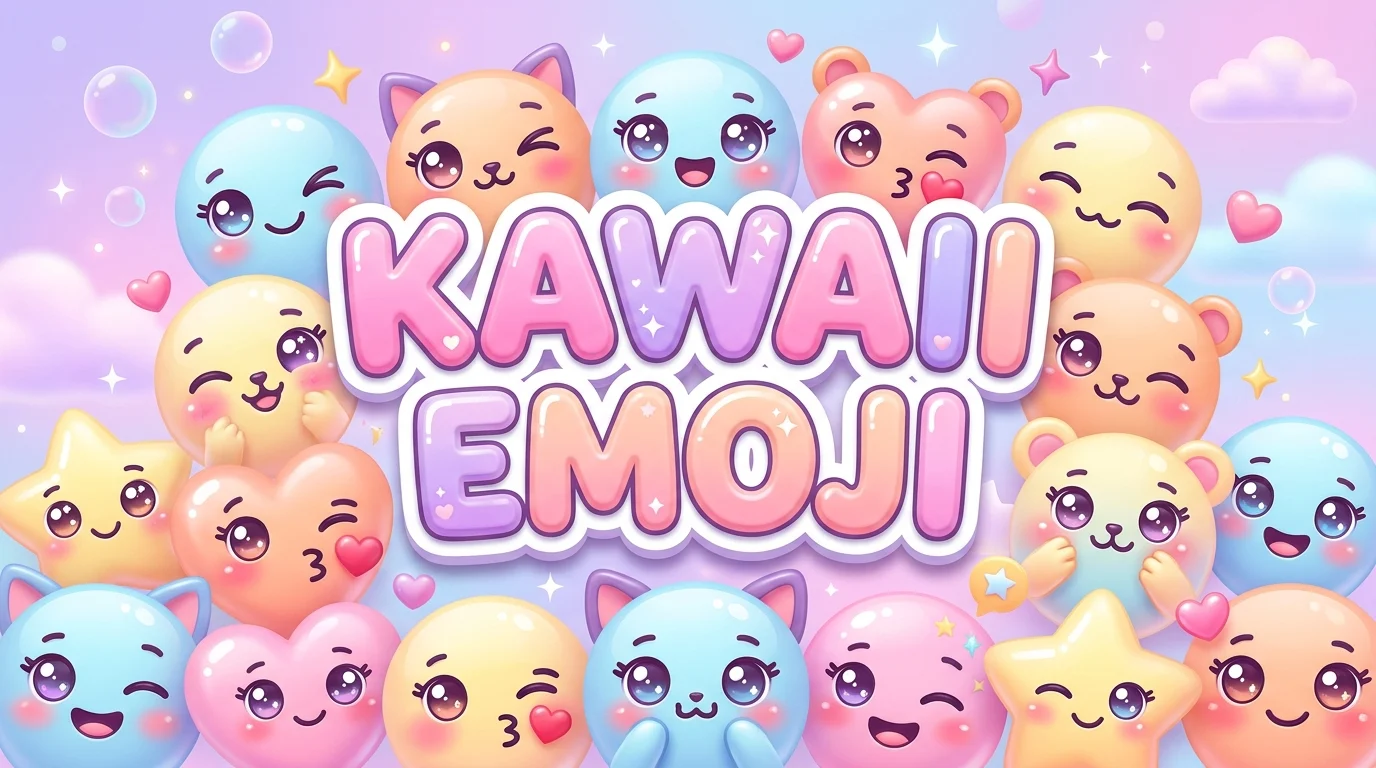
Kawaii emoji are symbols and expressive text faces that bring a cute, playful, and affectionate feeling to digital conversations. Inspired by the Japanese concept of kawaii, meaning “cute,” this style often includes blushing faces, hearts, bunnies, teddy bears, flowers, stars, and soft-looking expressions. People use kawaii emoji to make messages feel warmer, show excitement, express shyness, or give social media posts a gentle aesthetic.
What makes kawaii emoji different from ordinary emoji is the feeling they create together. A smiling face can communicate happiness, but pairing it with a heart, flower, or sparkle can make the message feel sweeter and more personal. The meaning depends on the symbols, the conversation, and the sender’s style. Understanding these combinations helps you choose expressions that feel cute without making your message confusing or overly decorated.
Quick Answer
Kawaii emoji are cute, expressive symbols and emoji combinations inspired by Japanese cuteness, often used to communicate affection, happiness, shyness, and a soft aesthetic.
Common examples include 🥺, 🐰, 🎀, 🌸, 🧸, and 💗, although no single emoji officially defines the kawaii style.
What Does Kawaii Emoji Mean?
The term kawaii comes from Japanese and means “cute” or “adorable.” It describes more than a physical appearance. Kawaii can also express a feeling of sweetness, playfulness, tenderness, or charming innocence.
A kawaii emoji is any emoji used to create that kind of feeling. There is no single official emoji called “Kawaii.” Instead, the term describes a style of expression that can include cute faces, affectionate symbols, small animals, flowers, pastel-themed imagery, and decorative combinations.
For example, 🥺 can suggest a pleading or tender expression, 🐰 can add a playful animal theme, and 🎀 can create a sweet, decorative mood. Together, these symbols may communicate a cute aesthetic even though each one has its own general meaning.
The key is the overall impression. Kawaii emoji often make a message feel gentle, cheerful, affectionate, or intentionally adorable.
Kawaii Emoji Meaning in Text Messages
In text messages, kawaii emoji can soften the tone of a sentence or make a simple reply feel more expressive. They are especially useful when words alone might sound too plain, formal, or direct.
Here are some common examples:
- 🥺 can express shyness, pleading, tenderness, or an emotional reaction.
- 💗 can add affection, appreciation, or a sweet tone.
- 🐰 can give a message a playful, cute animal theme.
- 🌸 can suggest flowers, softness, springtime, or a delicate aesthetic.
- ✨ can add excitement, sparkle, or a decorative touch.
- 🧸 can evoke comfort, coziness, or a cuddly feeling.
Imagine receiving the message, “Thank you so much 💗.” The heart makes the appreciation feel warmer. A message such as “I’m a little nervous 🥺” can feel more vulnerable or endearing than the words alone.
However, kawaii emoji do not automatically mean romantic interest. A friend might use them to sound playful, while another person might use the same symbols simply because they enjoy cute designs.
What Does Kawaii Emoji Mean From Someone?
When someone sends kawaii emoji, the intended meaning depends on the message and your relationship with that person. The symbols can communicate several different feelings.
Affection: Hearts, cuddly animals, and gentle facial expressions can show warmth or appreciation.
Shyness: A pleading face or blushing expression may make a message feel bashful, nervous, or playfully embarrassed.
Excitement: Sparkles, flowers, and cheerful faces can show enthusiasm about something enjoyable.
Comfort: Teddy bears, soft-looking faces, and hearts can create a reassuring or caring tone.
Aesthetic preference: Some people use kawaii emoji because they like cute, pastel, or Japanese-inspired visual styles. The symbols may be decorative rather than emotional.
If someone sends you several cute emoji, look at what they wrote alongside them. A heart after a thank-you message may express gratitude, while the same heart in a romantic conversation may feel more intimate. Context matters more than the number of emoji used.
Is Kawaii Emoji Positive?
Kawaii emoji usually create a positive or gentle impression, but their meaning is not always cheerful.
A flower, smiling face, or heart can make a message seem warm and friendly. A pleading face may express sadness or a request for sympathy while still fitting a cute style. A crying face can even be used dramatically to show that something is adorable, touching, or overwhelming.
The style and the emotion are two separate things. Kawaii describes the cute aesthetic, while the individual emoji communicates a more specific feeling.
For example, someone might use a cute crying expression because they are genuinely upset, or they might use it jokingly because a puppy looks impossibly adorable. The surrounding conversation helps distinguish these meanings.
Can Kawaii Emoji Be Flirty?
Yes, kawaii emoji can make a message feel flirty, especially when they appear alongside compliments, affectionate words, or playful teasing. A shy-looking face, a heart, or a kiss-related emoji may add a bashful or affectionate tone.
For example, a message such as “You look so cute today 🥺💗” may sound affectionate or flirtatious. By contrast, “That little kitten is adorable 🥺” is more likely to express fondness for an animal.
Cute emoji alone do not prove that someone is flirting. Friends, family members, and online communities often use the same symbols without romantic intentions.
Consider the wording, the relationship, and the pattern of communication before interpreting a kawaii emoji as a romantic signal.
Why Do People Use Kawaii Emoji?
People use kawaii emoji because they can make digital communication feel more personal, expressive, and visually appealing.
- To soften a message: A gentle symbol can make a short reply feel less blunt.
- To show affection: Hearts and cute animal faces can add warmth.
- To express shyness: Certain facial expressions help communicate embarrassment or hesitation.
- To create an aesthetic: Coordinated emoji can match a profile, caption, or online identity.
- To add personality: A few well-chosen symbols can reflect someone’s playful or gentle communication style.
- To make reactions more expressive: An emoji can show excitement or tenderness without requiring a long explanation.
Kawaii emoji are not limited to one age group or gender. People with different interests and communication styles may use them for different reasons. The style is a choice, not a reliable indicator of someone’s personality.
Related Cute Emojis and Their Meanings
These emojis are often useful for creating a kawaii-inspired tone. Some directly suggest affection or cuteness, while others contribute through color, decoration, or familiar imagery.
| Emoji | Official Name | Common Meaning | Tone | Where or When It Is Used |
|---|---|---|---|---|
| 🥺 | Pleading Face | Tenderness, pleading, vulnerability | Shy, emotional | Cute reactions and gentle requests |
| 🐰 | Rabbit Face | Rabbits, playfulness, cuteness | Sweet, playful | Animal-themed messages and cute captions |
| 🎀 | Ribbon | Decoration, ribbons, feminine or sweet styling | Decorative, playful | Kawaii aesthetics and profile themes |
| 🌸 | Cherry Blossom | Blossoms, spring, beauty | Gentle, delicate | Floral captions and soft-themed messages |
| 🧸 | Teddy Bear | Comfort, childhood, cuddliness | Cozy, affectionate | Caring messages and cute themes |
| 💗 | Growing Heart | Affection and growing warmth | Loving, cheerful | Appreciation and affectionate conversations |
| ✨ | Sparkles | Shine, excitement, emphasis | Bright, playful | Decorative captions and enthusiastic reactions |
| 🐱 | Cat Face | Cats, playfulness, cuteness | Friendly, mischievous | Pet conversations and animal-themed posts |
What Is the Difference Between Kawaii Emoji and Regular Cute Emoji?
The terms overlap, but they do not always describe exactly the same style.
Cute emoji is a broad category that includes any emoji someone finds adorable, from smiling faces and baby animals to hearts and playful expressions.
Kawaii emoji more specifically refers to a Japanese-inspired idea of cuteness. It often emphasizes charm, sweetness, expressive faces, playful innocence, and coordinated visual details.
A single 🐱 emoji can be cute on its own. A combination such as 🐱💗✨ may feel more deliberately kawaii because the symbols work together to create a consistent mood.
Neither category has a strict boundary. What feels kawaii to one person may simply look cute or decorative to someone else.
Kawaii Emoji vs. Kaomoji: What’s the Difference?
Kawaii emoji and kaomoji can both create cute expressions, but they use different visual forms.
Kawaii emoji use colorful picture symbols, such as 🥺, 🌸, 🐰, and 💗. Their appearance depends on how each platform designs the symbols.
Kaomoji are text-based facial expressions made with punctuation, letters, and other characters. Examples include:
(。•́‿•̀。)for a gentle, emotional expression(˶ᵔ ᵕ ᵔ˶)for a soft, happy face(≧▽≦)for excitement or laughter(づ。◕‿‿◕。)づfor a welcoming hug
Kaomoji can create expressions that are difficult to represent with one emoji. Kawaii emoji, on the other hand, are useful when you want colorful symbols that match a particular theme.
People sometimes combine both styles in profiles, captions, and messages to create a more personal look.
Kawaii Emoji in Social Media
Kawaii emoji can help create a consistent visual style across social media posts, captions, comments, and profile descriptions. Rather than using symbols only to communicate a sentence’s meaning, people may also select them to match a particular mood or theme.
In Instagram captions: Flowers, hearts, and sparkles can make a caption feel soft, cheerful, or romantic.
In TikTok comments: Cute facial expressions can communicate excitement, affection, or an exaggerated reaction to a funny or adorable moment.
In profile bios: A few coordinated symbols can reflect interests in cute animals, pastel colors, cozy aesthetics, or Japanese-inspired designs.
In private messages: A heart or a gentle expression can make an ordinary greeting feel more personal.
In themed posts: Bunnies, ribbons, flowers, and teddy bears can support a consistent visual mood.
The most effective approach is to choose emoji that match the content. A few relevant symbols can make a caption feel intentional, while too many unrelated symbols may distract from the message.
Kawaii Emoji for Different Moods
Kawaii does not have to mean cheerful all the time. The style can express several moods, depending on which symbols you choose.
| Mood | Suitable Emoji | What They Can Communicate |
|---|---|---|
| Happy | 😊🌸✨ | Cheerfulness and lighthearted energy |
| Shy | 🥺💗 | Bashfulness or tenderness |
| Affectionate | 🧸💞 | Warmth, care, and closeness |
| Playful | 🐰🎀 | Cute, lively energy |
| Peaceful | 🌷🤍 | Calmness and a gentle aesthetic |
| Excited | 🥹💖✨ | Strong happiness or an emotional reaction |
| Cozy | 🧸☁️ | Comfort and softness |
| Romantic | 💗🌸 | Affection or a sweet romantic mood |
These combinations are suggestions rather than fixed definitions. For instance, 🤍 can express affection, peace, simplicity, or a color-based aesthetic. Its meaning depends on the message and the person using it.
Common Misunderstandings About Kawaii Emoji
1. Thinking Kawaii Is One Specific Emoji
There is no single symbol that represents every part of the kawaii style. It is a broader aesthetic created through individual emoji, combinations, and visual choices.
2. Assuming Every Cute Emoji Is Romantic
Cute symbols can express friendship, gratitude, humor, or appreciation. A heart or pleading face does not automatically indicate a crush.
3. Treating Kawaii as Only a Pink Aesthetic
Pink hearts and ribbons are common choices, but kawaii styles can include animals, food, flowers, soft colors, expressive faces, and many other themes.
4. Confusing Kawaii Emoji With Kaomoji
Emoji are picture symbols, while kaomoji are text-based expressions. Both can look cute, but they are not the same thing.
5. Assuming Everyone Interprets Emoji Alike
The same combination can feel sweet to one person and overly decorative to another. Cultural background, personal taste, and conversation context all influence interpretation.
6. Using Too Many Symbols in Every Message
A heavily decorated message may suit an aesthetic profile or playful conversation, but it may not work well in a serious or professional exchange. Matching the style to the situation makes communication clearer.
How to Choose the Right Kawaii Emoji
Choosing a kawaii emoji is easier when you start with the feeling you want to communicate.
- Decide on the mood. Choose whether you want the message to feel sweet, shy, affectionate, cheerful, or cozy.
- Pick a main symbol. Start with a face, heart, animal, or flower that expresses the central idea.
- Add a matching detail. A sparkle, ribbon, or small heart can support the theme without overwhelming it.
- Consider your audience. A playful combination may suit a close friend, while a simple heart may be better for a more restrained conversation.
- Read the message without the emoji. Make sure the words still communicate what you intend.
For example, “That made me so happy 🥹💗” expresses an emotional reaction with a sweet tone. Meanwhile, “Hope you have a peaceful day 🌷🤍” creates a gentler, calmer feeling.
The goal is not to use the most emoji. It is to choose symbols that communicate the right mood.
Frequently Asked Questions
1. What does kawaii emoji mean?
Kawaii emoji are cute or expressive symbols used to create a sweet, playful, affectionate, or Japanese-inspired aesthetic. Their meanings depend on the individual symbols and how they are used together.
2. What does kawaii mean in English?
Kawaii is a Japanese word that means “cute” or “adorable.” It can describe people, objects, characters, designs, and a broader aesthetic associated with cuteness.
3. Which emojis are considered kawaii?
Common choices include 🥺, 🐰, 🎀, 🌸, 🧸, 💗, and ✨. However, there is no official list defining which emojis qualify as kawaii.
4. What is the difference between kawaii and cute?
Cute is a broad English term for something adorable or appealing. Kawaii refers to the Japanese concept of cuteness, which can include particular styles of expression, design, and presentation.
5. What does 🥺 mean in kawaii messages?
The pleading face often expresses tenderness, vulnerability, shyness, or a gentle request. In cute conversations, it can also exaggerate an adorable or emotional reaction.
6. Are kawaii emoji romantic?
They can be, but they are not necessarily romantic. People also use kawaii emoji with friends, family, pets, and social media posts simply to express warmth or create a cute aesthetic.
7. What is the difference between kawaii emoji and kaomoji?
Kawaii emoji are picture symbols, such as 🌸 and 💗. Kaomoji are text-based faces made with characters, such as (˶ᵔ ᵕ ᵔ˶). Both can express cuteness in different ways.
8. Can kawaii emoji be used professionally?
Some can, depending on the workplace and situation. A simple smile or flower may be appropriate in a friendly message, while highly decorative combinations may be better suited to casual conversations.
9. Why do people combine kawaii emoji?
Combining symbols lets people create a more specific mood. A flower with a heart can feel affectionate and delicate, while a teddy bear with a sparkle can suggest a cozy, playful aesthetic.
Conclusion
Kawaii emoji bring cuteness, warmth, and personality to digital communication. Inspired by the Japanese concept of adorable expression, they can convey affection, shyness, excitement, comfort, or a carefully chosen visual aesthetic.
Symbols such as 🥺, 🐰, 🎀, 🌸, and 💗 are popular choices, but the style is not limited to a particular set of emoji. What matters is how the symbols work together and whether they match the message you want to send.
Choose combinations that feel natural, consider the person receiving your message, and remember that cute symbols can express different emotions in different contexts.
Discover More Post:
- Choking Emoji Meaning | What It Really Says in Texts …
- Battery Emoji Meaning | Power, Low Energy & Life’s Daily …
- Frowning Emoji Meaning | Decode the Mood Behind the Face …