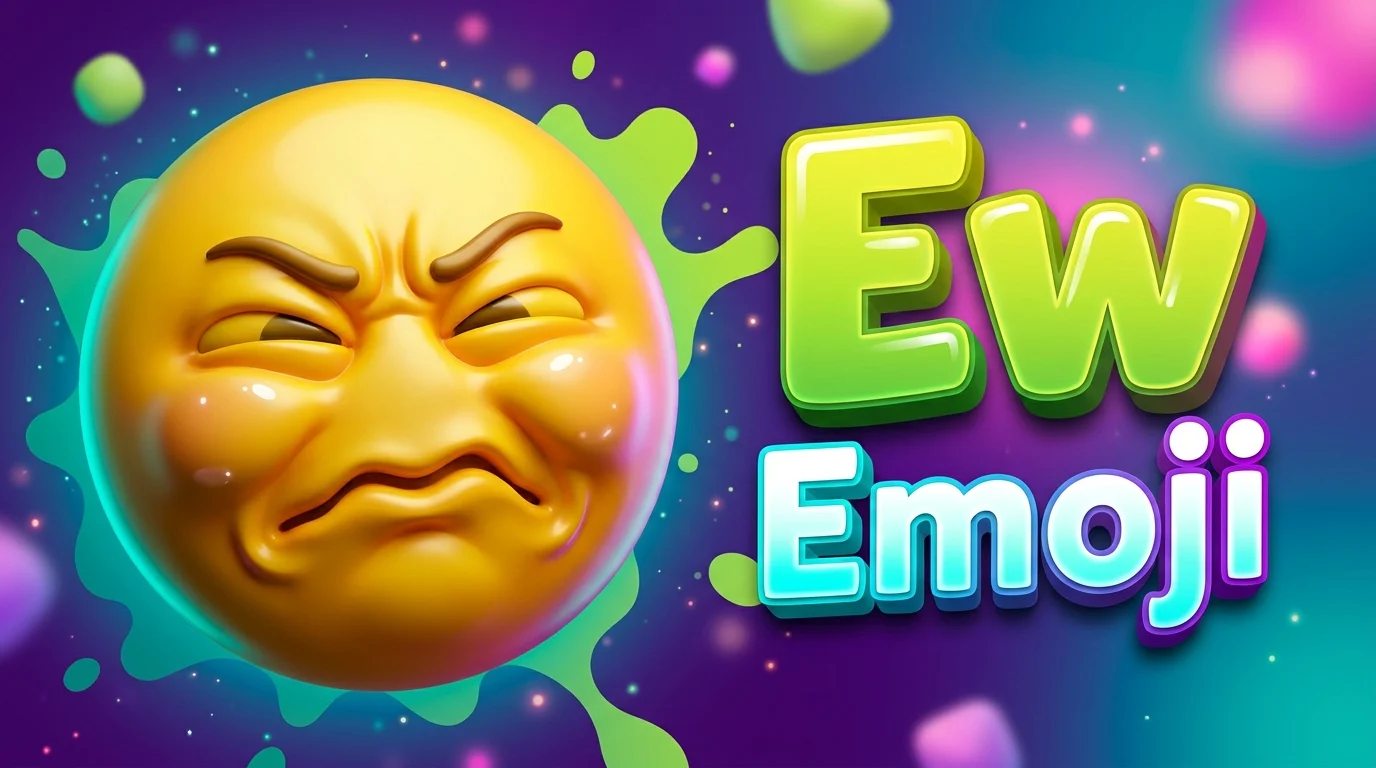
The ew emoji is a common search term for emojis people use to express disgust, dislike, discomfort, or an uncomfortable reaction. Although there is no single official emoji named “Ew,” several emojis can communicate the feeling of saying “ew” in a text message. The most suitable choice depends on whether something seems gross, smells bad, feels awkward, or simply makes someone uncomfortable.
People often use disgust-related emojis in conversations about unpleasant food, strange behavior, embarrassing situations, or things they strongly dislike. Sometimes the reaction is serious, while other times it is playful and exaggerated. Understanding the surrounding message helps you tell the difference between genuine disgust and friendly teasing.
Quick Answer
The ew emoji expresses disgust, dislike, discomfort, or a strong negative reaction to something unpleasant.
Common choices include 🤢 for feeling sick or disgusted, 🤮 for intense revulsion, and 😖 for discomfort or an unpleasant experience.
What Does the Ew Emoji Mean?
The ew emoji generally represents the feeling of saying “ew,” a short expression people use when something seems gross, unpleasant, or disturbing. It can communicate an immediate negative reaction without requiring a full sentence.
For example, someone might react with a disgusted emoji after seeing an unappetizing meal, hearing about something unpleasant, or learning that a person has done something off-putting. The symbol adds emotional emphasis to the message.
The exact meaning depends on the emoji selected. A nauseated face suggests sickness or revulsion, while a face showing discomfort may communicate that something feels awkward or upsetting rather than physically disgusting.
The expression can also be playful. Friends might use an exaggerated disgusted reaction to tease each other about an unusual food combination, a silly joke, or a harmless embarrassing moment.
In short, the ew emoji is less about one specific picture and more about communicating a reaction of dislike or disgust.
Ew Emoji Meaning in Text Messages
In text messages, an ew emoji can make a negative reaction clearer. Because written messages do not always communicate facial expressions or vocal tone, an emoji can help show whether the sender feels disgusted, uncomfortable, or amused.
Here are some common situations:
- Reacting to something gross: Someone shares an unpleasant picture or describes something disgusting.
- Disliking food: A friend mentions a food combination that sounds unappetizing.
- Showing discomfort: A conversation turns awkward, embarrassing, or unpleasant.
- Teasing a friend: Someone makes a silly comment, and another person responds with exaggerated disgust.
- Rejecting an idea: The sender wants to show strong dislike without writing a long response.
For example, if someone texts, “I accidentally drank milk that had gone bad 🤢,” the emoji reinforces the feeling of disgust. If a friend says, “He used the same fork after dropping it on the floor,” a disgusted reaction can communicate immediate disapproval.
However, not every negative emoji means the same thing. Some suggest nausea, others communicate distress, and some are better suited to awkward or unpleasant situations.
What Does the Ew Emoji Mean From Someone?
When someone sends an ew emoji directly to you, the meaning depends on what you said or shared.
If you sent a picture of an unusual meal, the person may simply find the food unappealing. If you told a gross story, the emoji may show that the details made them feel disgusted. In a playful conversation, it could be an exaggerated reaction intended to make you laugh.
Sometimes, though, a disgusted reaction can express genuine disapproval. If someone sends it after you make a comment or suggest an idea, they may be communicating that they dislike what you said.
Consider the surrounding conversation before assuming the reaction is personal. A single emoji cannot reliably tell you whether someone is joking, criticizing an idea, or expressing serious discomfort.
If the message feels unclear, you can ask a simple question such as, “What part made you react like that?” This gives the other person a chance to explain instead of leaving you to guess.
Is the Ew Emoji Negative?
Yes, the ew emoji usually communicates a negative reaction because it is associated with disgust, dislike, nausea, or discomfort. However, the strength of that reaction varies.
A mildly uncomfortable expression may suggest that something feels unpleasant but not unbearable. A nauseated or vomiting face communicates a stronger sense of revulsion.
The same emoji can also become humorous when used among friends. Someone might react dramatically to a harmless food preference or a silly joke without feeling genuine disgust.
The context helps determine whether the reaction is serious or playful. A disgusted emoji in a conversation about spoiled food is likely literal, while one sent after a friend’s harmless joke may be teasing.
Can the Ew Emoji Be Sarcastic?
Yes, an ew emoji can be sarcastic when someone uses it to exaggerate disgust or mock a situation.
For example, a friend might tell you that they put pineapple on pizza, and you respond with a nauseated face. You may not actually feel sick; you are simply exaggerating your dislike for comedic effect.
Sarcasm can also appear when someone reacts to an obviously silly statement or an intentionally dramatic confession. The emoji adds a visual cue that the response is not necessarily meant to be taken seriously.
However, sarcasm is not always obvious in text. A person who does not know your humor may interpret the reaction as genuine criticism. If you want to keep the message friendly, adding a lighthearted phrase can make your intention clearer.
Ew Emoji for Disgust, Nausea, and Dislike
Not every unpleasant situation calls for the same emoji. Choosing one that matches the intensity of your reaction can help your message sound more natural.
- Mild disgust: Use an expression that communicates discomfort or dislike without suggesting extreme nausea.
- Physical sickness: A nauseated face is more appropriate when something makes you feel sick.
- Strong revulsion: A vomiting face can express an intense reaction to something especially gross.
- Emotional discomfort: A distressed expression may fit an awkward or upsetting situation better than a sickness-related emoji.
- Playful rejection: An exaggerated disgusted face can make a joking reaction more obvious.
These distinctions matter because the receiver may interpret your emoji more literally than you intended. A symbol that looks humorous to you could seem harsh or insulting to someone else, particularly in a sensitive conversation.
Does the Ew Emoji Mean Someone Is Sick?
Not always. A disgust-related emoji can refer to physical sickness, but it is also widely used as a reaction to unpleasant sights, smells, stories, or ideas.
For example, 🤢 can communicate nausea when someone feels physically unwell. It can also show that a meal looks unappetizing or that a story is difficult to hear.
Similarly, 🤮 can represent vomiting literally, but in casual conversation it may exaggerate how disgusting someone finds something. The sender does not necessarily mean that they are actually vomiting.
The words around the emoji are important. “I feel sick today 🤢” suggests a physical condition, while “That combination sounds awful 🤢” is more likely a reaction to an idea.
Related Emojis and Their Meanings
Several emojis can communicate the feeling of saying “ew,” but each has a slightly different tone and purpose.
| Emoji | Official Name | Common Meaning | Tone | Where or When It Is Used |
|---|---|---|---|---|
| 🤢 | Nauseated Face | Nausea, disgust, feeling sick | Strongly negative | Unpleasant food, bad smells, or sickness |
| 🤮 | Face Vomiting | Vomiting or extreme disgust | Intense, dramatic | Very gross situations or exaggerated reactions |
| 😖 | Confounded Face | Distress, frustration, discomfort | Tense, uncomfortable | Unpleasant experiences or difficult situations |
| 😣 | Persevering Face | Strain, distress, or difficulty | Uncomfortable, determined | Awkward or challenging moments |
| 😬 | Grimacing Face | Awkwardness, tension, embarrassment | Uneasy | Cringe-worthy situations or uncomfortable conversations |
| 😒 | Unamused Face | Displeasure, annoyance, dissatisfaction | Dismissive | Something irritating or disappointing |
| 😷 | Face with Medical Mask | Illness, protection, or health concerns | Cautious, health-related | Medical settings or references to illness |
| 🤧 | Sneezing Face | Sneezing, allergies, or a cold | Unwell, sometimes playful | Seasonal allergies or feeling sick |
🤢 vs. 🤮: What’s the Difference?
The nauseated face 🤢 usually communicates feeling sick or disgusted. It can be used when something smells bad, food looks unappealing, or a story makes someone feel queasy.
The vomiting face 🤮 is more intense. It can suggest actual vomiting or express extreme revulsion in a dramatic, humorous way.
For example, “That smell is making me feel sick 🤢” suggests nausea or discomfort. “That is the grossest thing I’ve ever heard 🤮” communicates a stronger reaction.
Both can express an ew-like feeling, but 🤮 generally creates a more forceful impression.
🤢 vs. 😬: What’s the Difference?
The main difference is that 🤢 focuses on disgust or nausea, while 😬 is more closely associated with awkwardness, tension, or embarrassment.
If someone describes spoiled food, 🤢 is a natural response. If a friend tells an embarrassing story about themselves, 😬 may communicate that the situation feels uncomfortable to hear about.
The grimacing face can sometimes accompany an ew reaction, especially when something feels socially awkward rather than physically gross. Still, it does not automatically mean disgust.
Is the Ew Emoji Flirty?
The ew emoji is not generally a flirty symbol. Its usual meaning is disgust, dislike, nausea, or discomfort.
However, its meaning can change in a playful conversation. Two people who regularly tease each other might use a disgusted emoji as part of a joking exchange. In that situation, the emoji may contribute to their humor rather than signal genuine rejection.
For example, if someone sends a picture of an unusual snack and their friend responds with 🤢, the reaction may simply be playful teasing about the food.
It is important not to interpret this as romantic interest on its own. The emoji does not reliably indicate attraction, flirting, or hidden feelings. The broader conversation and the way the people communicate with each other matter much more.
Is the Ew Emoji Rude?
It can be rude if it appears to mock someone, criticize something personal, or express disgust toward another person’s feelings or choices.
For example, sending a vomiting emoji in response to someone’s appearance, personal news, or sincere confession may come across as insulting. The recipient may feel judged, even if the sender intended the reaction as a joke.
On the other hand, using a disgusted emoji to react to a gross story or an unpleasant smell is often harmless. Friends may also use it playfully when both understand the joke.
Before sending one, consider what you are reacting to and how the other person might interpret it. If the topic is sensitive, a more thoughtful response may be better than an exaggerated disgust reaction.
Ew Emoji on Social Media
On social media, ew-style reactions can communicate immediate dislike or disgust without requiring a long comment. People may use them when responding to unpleasant stories, unusual food combinations, cringe-worthy moments, or behavior they find objectionable.
The tone depends on the post and the community. A vomiting face under a picture of a strange recipe may be a humorous reaction. The same emoji under a personal or emotional post could appear insensitive.
Some users also exaggerate disgust for entertainment. In these situations, the emoji is part of a humorous performance rather than a literal statement about physical sickness.
It is best to consider the content of the post before interpreting the reaction. An emoji alone rarely provides enough information to determine the sender’s full intention.
Text Message Examples
Here are realistic examples showing how ew-related emojis can be used in different conversations.
1. Reacting to gross food
- Person A: “I found a strange smell coming from the leftovers.”
- Person B: “Please don’t eat that 🤢”
Meaning: The emoji reinforces disgust and concern about the food.
2. Responding to an unpleasant story
- Person A: “He stepped in something gross and tracked it into the house.”
- Person B: “Ew, that’s disgusting 🤮”
Meaning: The sender expresses a strong reaction to the unpleasant situation.
3. Teasing a friend
- Person A: “I eat fries dipped in ice cream.”
- Person B: “That combination sounds so wrong 🤢”
Meaning: The emoji exaggerates the sender’s dislike, possibly as a joke.
4. Reacting to an awkward moment
- Person A: “I waved back at someone who wasn’t waving at me.”
- Person B: “Nooo 😬”
Meaning: The grimacing face shows secondhand embarrassment rather than physical disgust.
5. Expressing dissatisfaction
- Person A: “The restaurant forgot our order again.”
- Person B: “Seriously? 😒”
Meaning: The unamused face communicates frustration and disappointment.
Common Misunderstandings About the Ew Emoji
1. Thinking Every Ew Emoji Means Vomiting
A disgusted emoji does not always describe physical sickness. It can also express dislike, revulsion, or an exaggerated reaction to something unpleasant.
2. Assuming It Always Insults Someone
A disgusted face can be directed at a situation, smell, food, or idea rather than at a person. The context helps clarify the target of the reaction.
3. Confusing Disgust With Awkwardness
An emoji such as 😬 often communicates social discomfort rather than the same kind of revulsion suggested by 🤢. Choosing the right expression can make your meaning clearer.
4. Treating Playful Disgust as Genuine Anger
Friends sometimes use exaggerated reactions for humor. A disgusted emoji does not automatically mean the sender is angry or upset with you.
5. Assuming the Emoji Has One Fixed Meaning
People interpret emojis differently depending on context, tone, and personal habits. The same symbol can communicate a literal feeling in one conversation and a playful reaction in another.
How to Respond to the Ew Emoji
Your response should depend on what prompted the reaction and whether the conversation is serious or playful.
- If the person is reacting to something gross: “I know, it was disgusting!”
- If they are teasing you: “Don’t judge my food choices!”
- If they seem genuinely uncomfortable: “Sorry, I didn’t mean to make you uncomfortable.”
- If they are reacting to an awkward story: “I wish that had gone differently.”
- If you do not understand the reaction: “Wait, what part are you reacting to?”
A response does not need to be complicated. If the person is joking, a lighthearted reply can keep the conversation fun. If the emoji seems directed at something personal, asking for clarification can prevent a misunderstanding.
Frequently Asked Questions
1. What is the ew emoji?
The ew emoji is a general term for emojis that express disgust, dislike, nausea, or discomfort. Common choices include 🤢 and 🤮, depending on how strong the reaction is.
2. Which emoji is best for saying ew?
The nauseated face 🤢 is a common choice for disgust or feeling sick. The vomiting face 🤮 is better for a stronger or more dramatic reaction. The best option depends on the situation.
3. What does 🤢 mean from someone?
It can mean that someone feels nauseated, finds something gross, or dislikes what they have seen or heard. In a playful conversation, it may exaggerate disgust for humor.
4. What does 🤮 mean in texting?
It can represent vomiting or intense disgust. People also use it informally to show that something seems extremely unpleasant or gross.
5. Does the ew emoji mean someone dislikes you?
Not necessarily. The person may be reacting to a particular comment, food, story, or situation. Consider the context before assuming the emoji is directed at you personally.
6. Can the ew emoji be used as a joke?
Yes. Friends often use disgust-related emojis to exaggerate their reactions to unusual food, silly ideas, or harmless situations. Whether it feels funny or insulting depends on the relationship and context.
7. Is the ew emoji rude?
It can be rude when used to mock a person or dismiss something sensitive. When it is directed at an unpleasant situation or used among friends who understand the joke, it may be harmless.
8. What is the difference between 🤢 and 😖?
🤢 usually suggests nausea or disgust, while 😖 communicates distress, discomfort, or frustration. They can both express a negative reaction, but they do not mean exactly the same thing.
9. Can the ew emoji mean embarrassment?
Sometimes, but it is not the clearest choice for embarrassment. A grimacing face such as 😬 often fits an awkward or cringe-worthy moment better than a nauseated face.
Conclusion
The ew emoji expresses disgust, dislike, nausea, or discomfort, but the exact meaning depends on the symbol and the situation. The nauseated face 🤢 often communicates a gross or sickening reaction, while 🤮 suggests stronger revulsion. Other expressions may be better for awkwardness or frustration.
In everyday messages, these emojis can be serious, playful, or exaggerated. Pay attention to the words around them and the relationship between the people communicating. That context makes it easier to understand whether the sender is genuinely disgusted, joking with a friend, or simply reacting to an unpleasant moment.
Discover More Post:
- Choking Emoji Meaning | What It Really Says in Texts …
- Battery Emoji Meaning | Power, Low Energy & Life’s Daily …
- Frowning Emoji Meaning | Decode the Mood Behind the Face …